
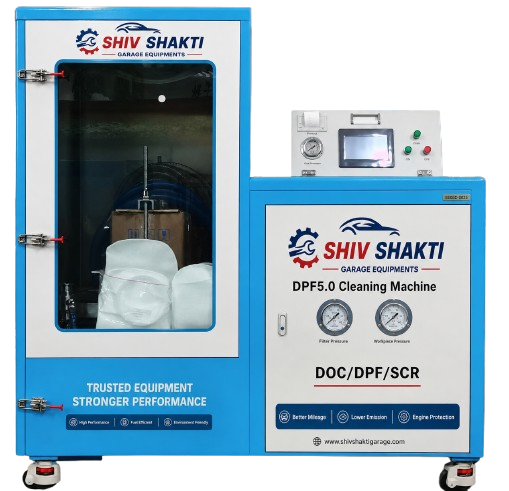
DPF Cleaning Machine – Professional Diesel Particulate Filter Cleaning Solution
If you are looking for a reliable DPF Cleaning Machine for your automobile workshop, diesel service center, truck workshop or commercial vehicle garage, choosing the right equipment is an important business decision. A professional machine can help workshops add DPF cleaning as a specialized service and provide a more systematic alternative to replacing expensive diesel particulate filters when cleaning is technically appropriate.
Modern diesel vehicles use a Diesel Particulate Filter (DPF) to capture particulate matter from exhaust gases. Over time, ash and soot can accumulate inside the filter. When the filter becomes excessively loaded, the vehicle may experience warning lights, reduced performance or other exhaust-system-related issues.
This is where professional DPF cleaning equipment can become valuable.
At Shiv Shakti Garage Equipments, we provide garage equipment solutions for automobile workshops, service centers and commercial vehicle businesses. If you are planning to add DPF cleaning to your workshop, this guide will help you understand the machine, its working principle, benefits, applications, buying considerations, maintenance and business potential.
What Is a DPF Cleaning Machine?
A DPF Cleaning Machine is specialized workshop equipment designed to clean diesel particulate filters that have accumulated soot, ash and other contaminants.
Instead of replacing a potentially serviceable filter immediately, a workshop can inspect the filter and, where appropriate, use a professional cleaning process to remove accumulated material.
The exact cleaning technology differs between machines. Depending on the model, professional equipment may use combinations of:
- High-pressure air
- Water
- Specialized cleaning solutions
- Controlled back-flushing
- Drying
- Air pressure testing
- Flow measurement
- Cleaning cycles
The objective is to restore the filter’s cleanliness and airflow characteristics as far as reasonably possible, subject to the condition of the filter.
A good workshop should always inspect the DPF before deciding whether cleaning is appropriate.
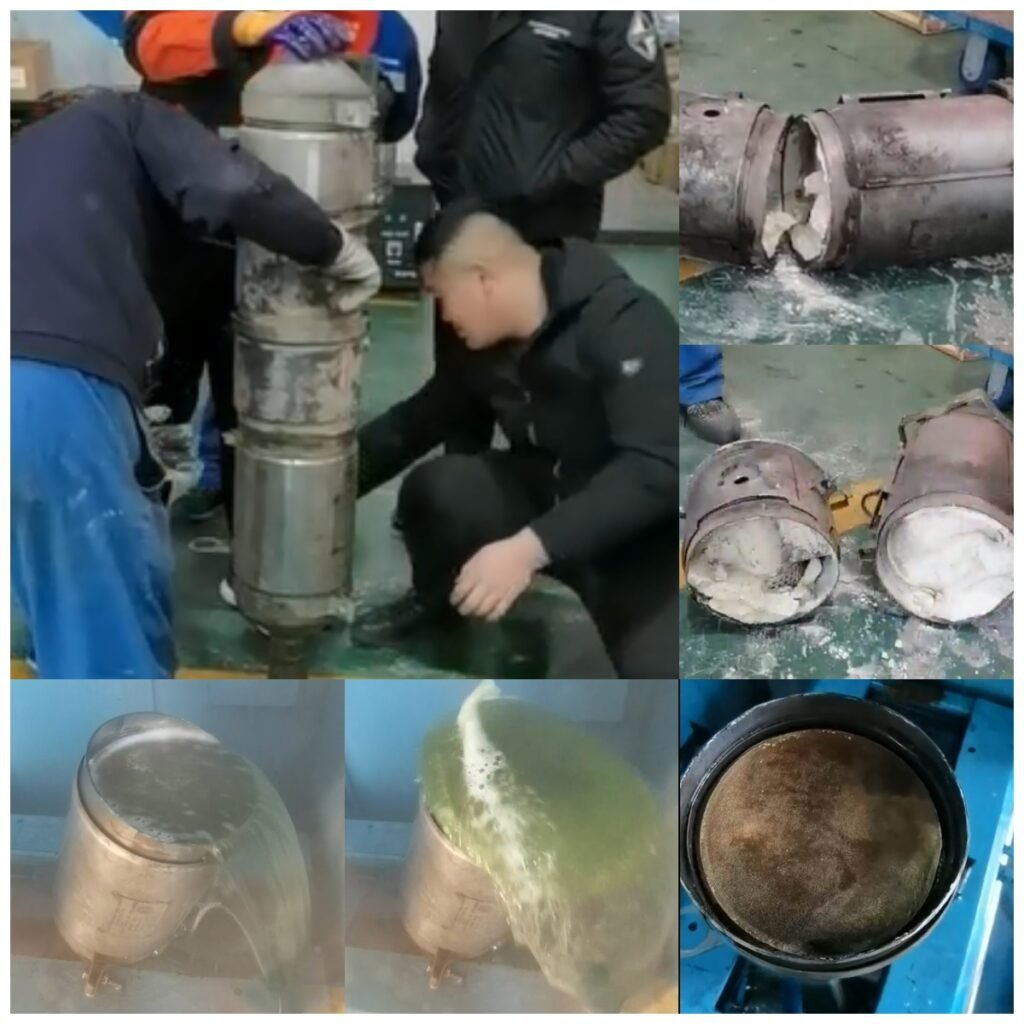
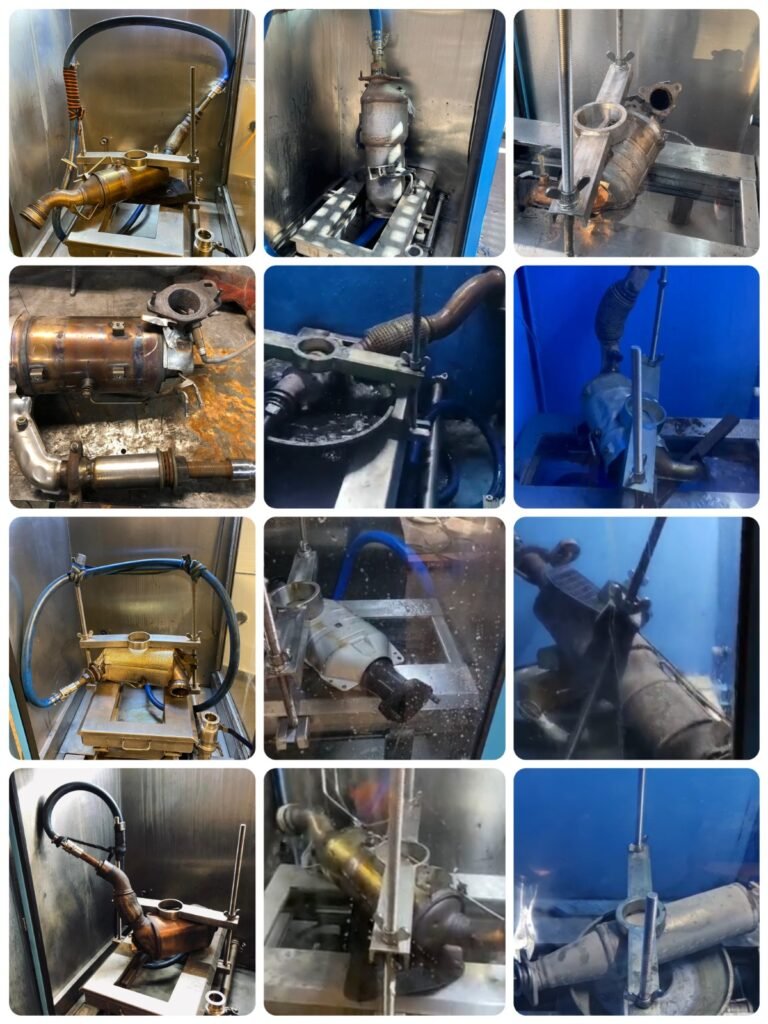
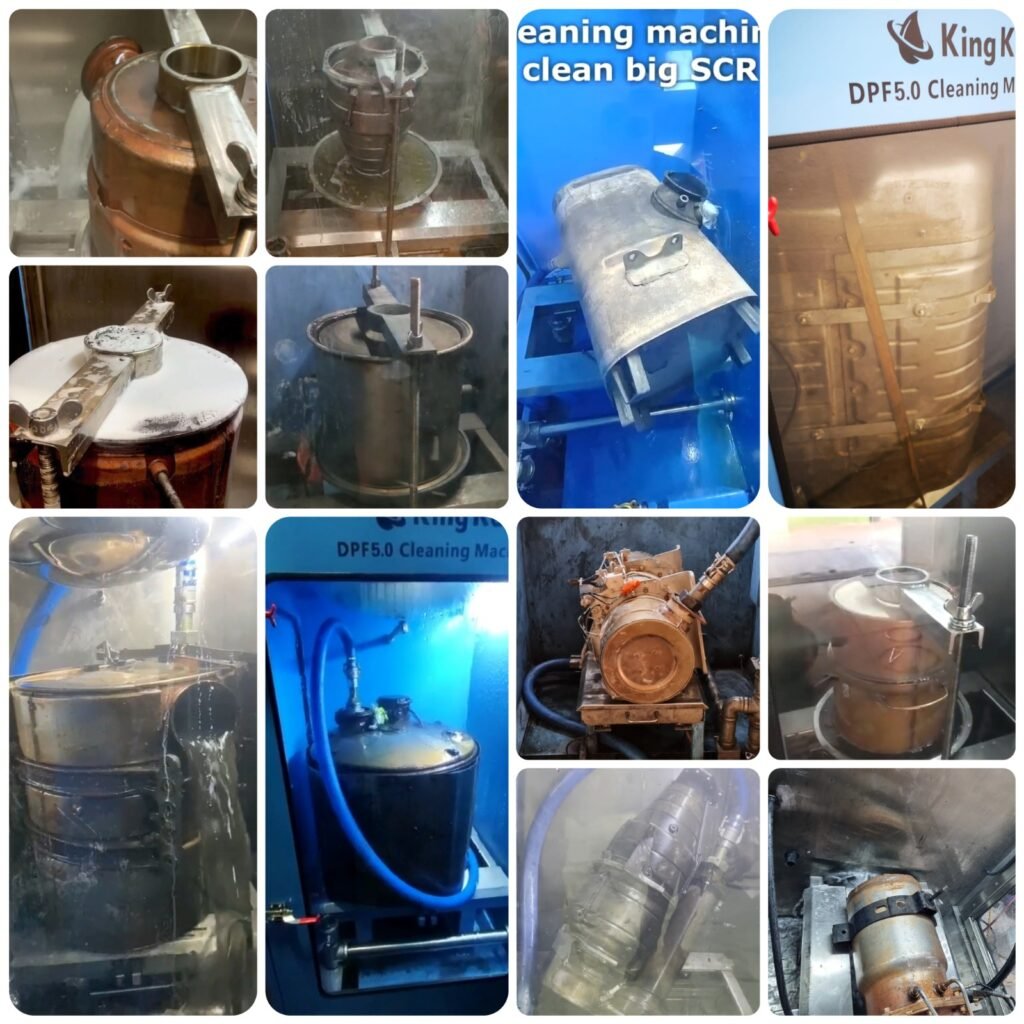
What Is a Diesel Particulate Filter?
A Diesel Particulate Filter, commonly called a DPF, is an emissions-control component installed in many modern diesel vehicles.
Its primary purpose is to capture particulate matter produced during diesel combustion.
The filter contains a porous structure that allows exhaust gases to pass through while trapping particulate matter.
Over time, the trapped material accumulates.
The vehicle’s engine-management and exhaust systems are designed to manage this accumulation through processes such as regeneration.
However, regeneration does not remove all forms of accumulated material.
This is why professional DPF servicing can become necessary in some circumstances.
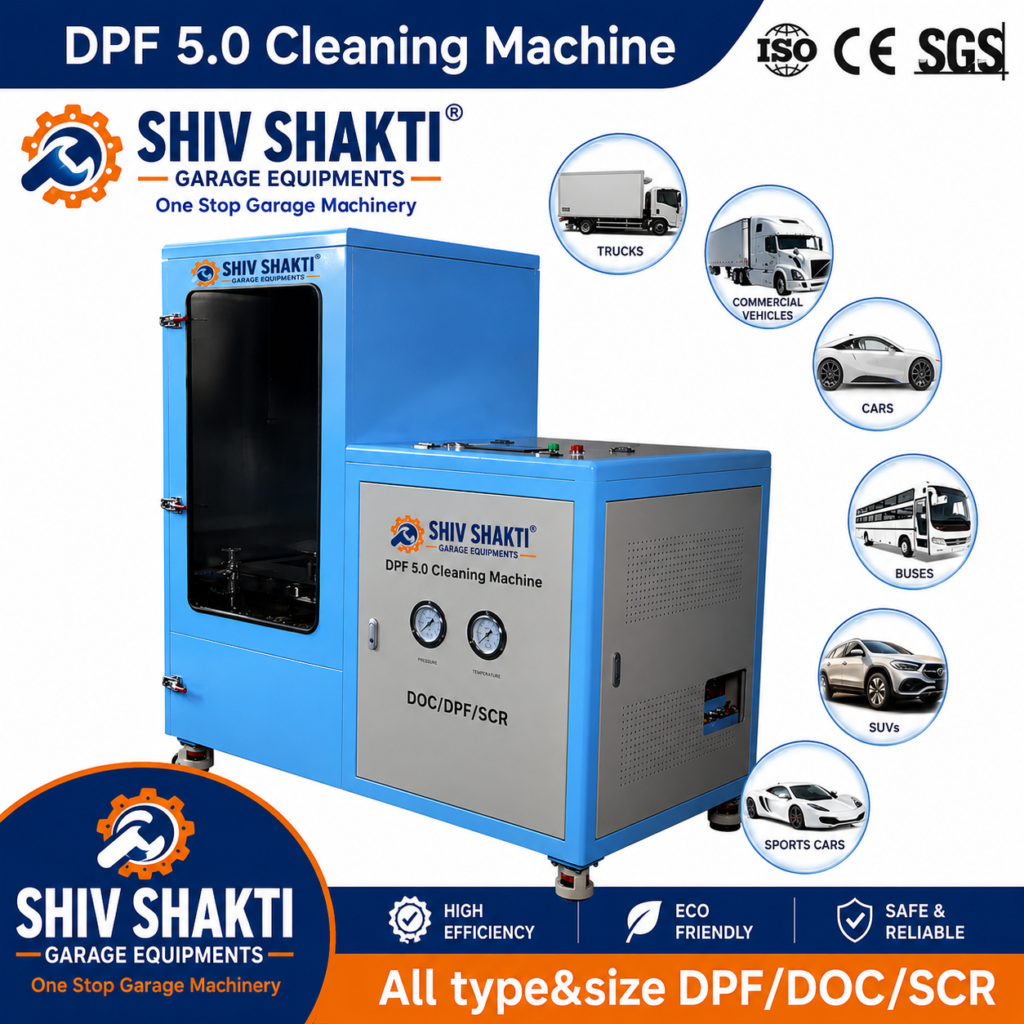
What Happens Inside a DPF?
During normal operation, particulate matter is captured by the filter.
Some of this material can be burned during regeneration.
However, ash can remain behind.
As accumulation increases, exhaust flow through the filter can become restricted.
This can contribute to:
- Increased exhaust back pressure
- DPF warning lights
- Reduced engine performance
- Regeneration problems
- Reduced fuel efficiency in some situations
- Limp-home or reduced-power conditions
The actual symptoms depend on the vehicle and the underlying problem.
A DPF blockage should therefore be properly diagnosed rather than assuming that every warning light means the filter simply needs cleaning.
Why Is DPF Cleaning Important?
Replacing a DPF can be expensive, especially on commercial vehicles, trucks and premium diesel vehicles.
When a filter is physically intact and suitable for cleaning, professional cleaning may provide an alternative to immediate replacement.
A properly performed cleaning service can help a workshop:
- Remove accumulated contaminants
- Improve filter airflow
- Reduce back-pressure-related restrictions
- Extend the usable life of serviceable filters
- Offer customers an additional workshop service
- Reduce unnecessary component replacement
However, cleaning is not appropriate for every DPF.
A filter with a damaged substrate, melted core or severe physical deterioration may require replacement.
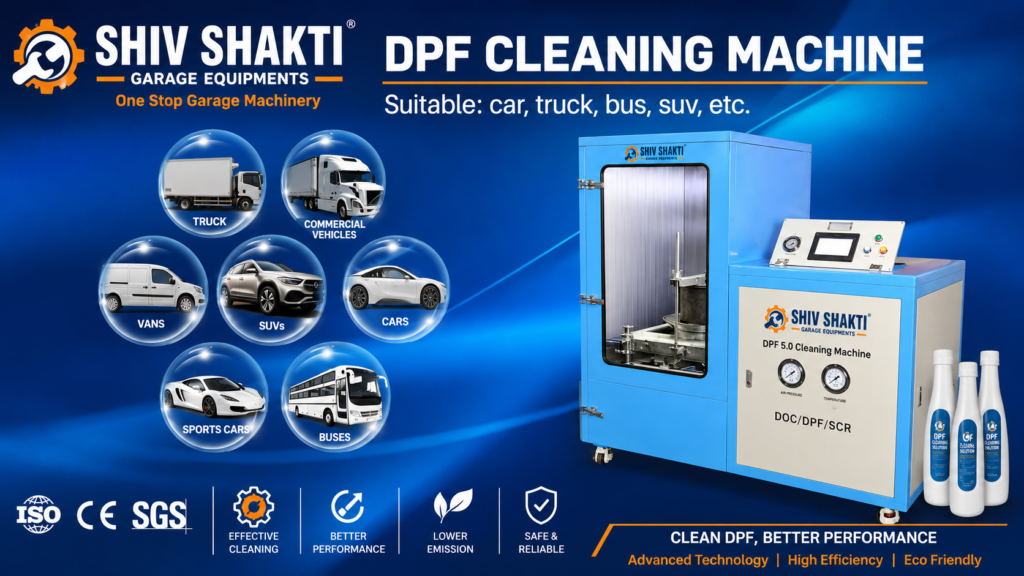
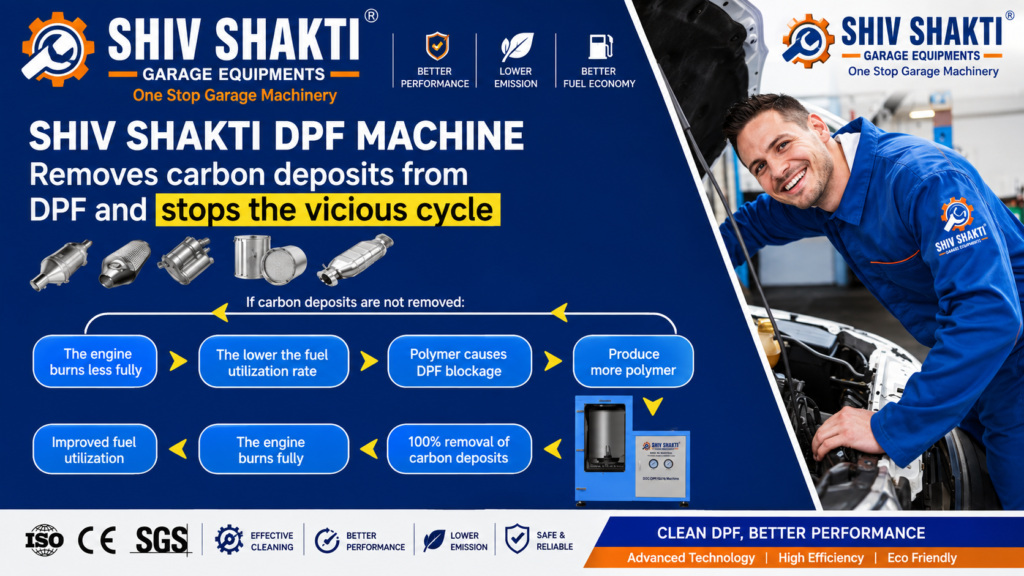

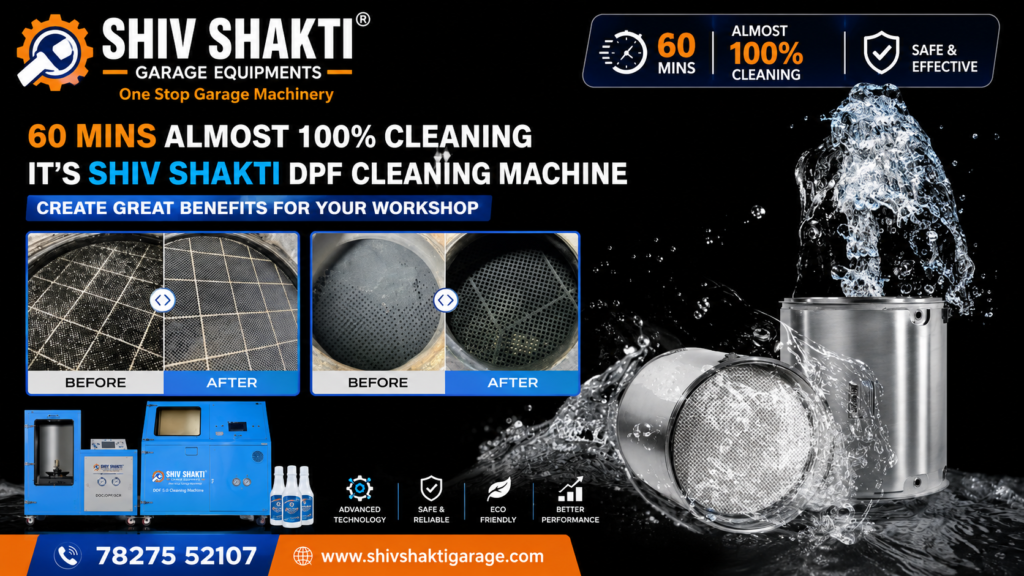
How Does a DPF Cleaning Machine Work?
Step 1: DPF Inspection
The technician first examines the filter.
The inspection may include:
- Visual inspection
- Checking for physical damage
- Checking inlet and outlet condition
- Checking contamination
- Checking sensors and ports
- Measuring restriction where applicable
The filter should not automatically be cleaned simply because a vehicle has a DPF warning.
Step 2: Filter Removal
The DPF is carefully removed from the vehicle according to the vehicle manufacturer’s service procedure.
Technicians should use appropriate tools and follow safety precautions.
Step 3: Initial Testing
A professional workshop may measure airflow or restriction before cleaning.
This provides a reference point.
The initial result can later be compared with the post-cleaning result.
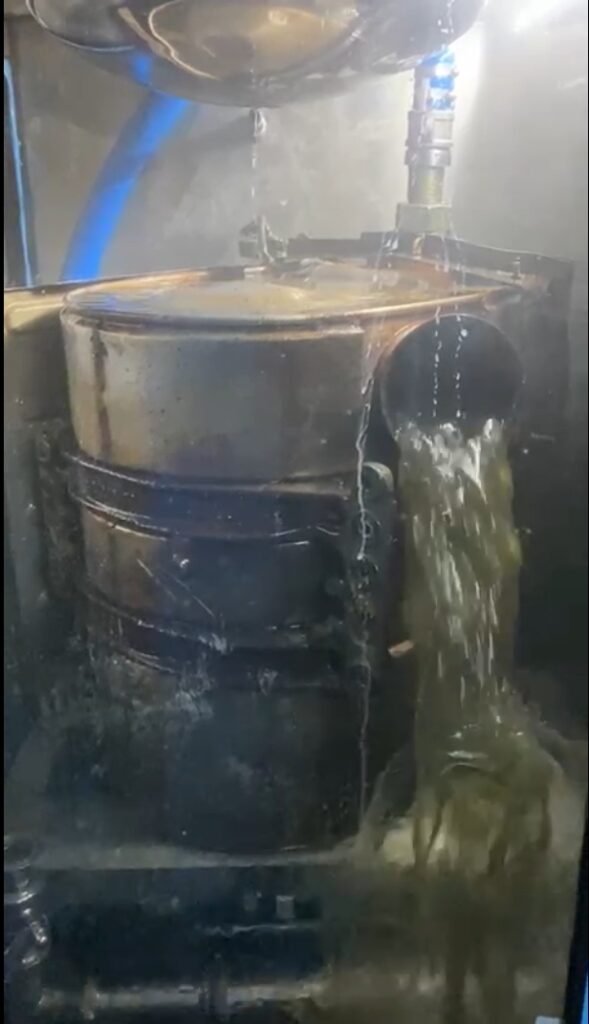
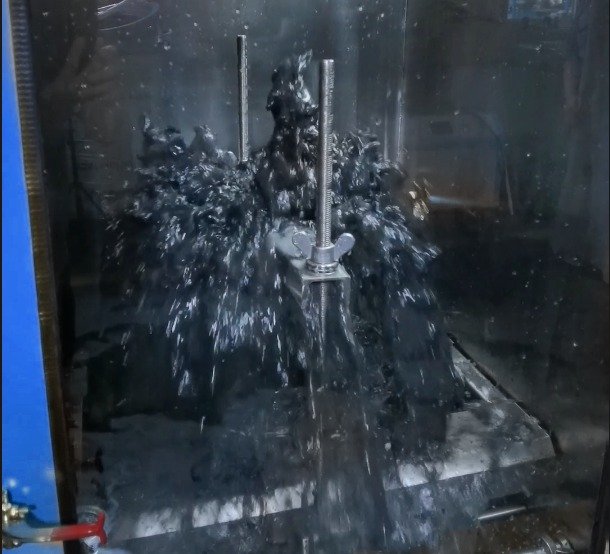
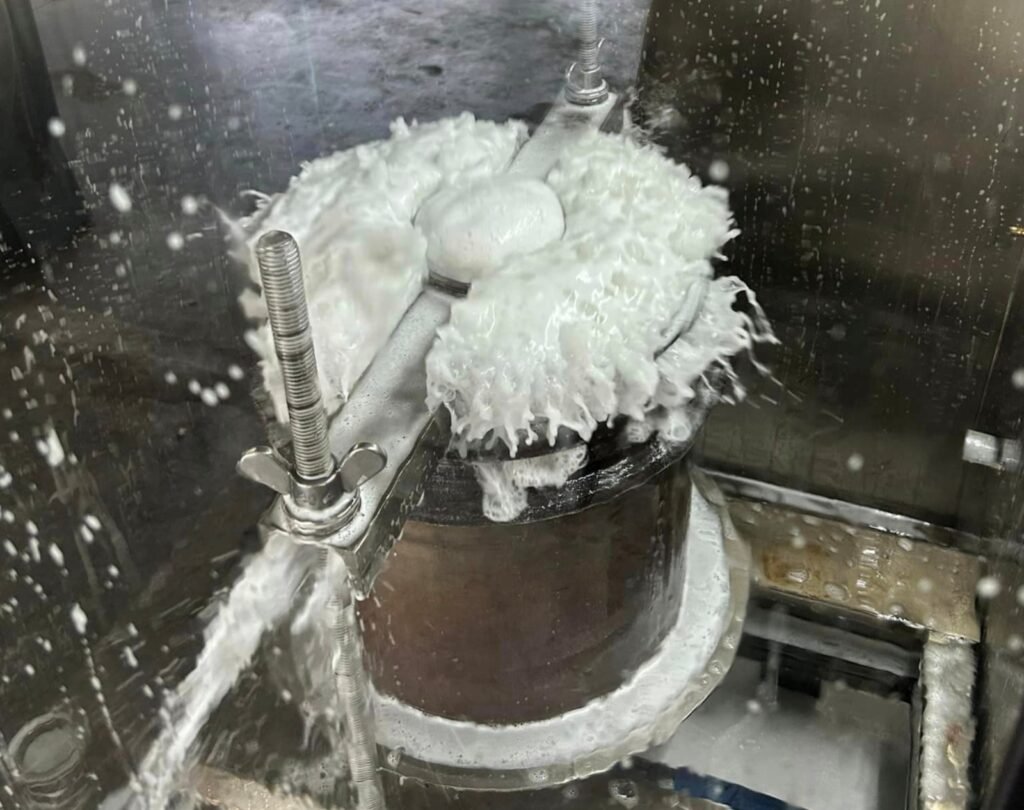
Step 4: Cleaning Cycle
The filter is placed into the appropriate equipment.
Depending on the machine, the cleaning process may use:
- Controlled air pressure
- Water
- Cleaning chemicals
- Reverse-flow cleaning
- Pulsating air
- Other manufacturer-specific methods
The objective is to remove accumulated particulate material from the filter channels.
Step 5: Drying
If a wet cleaning method is used, proper drying is essential.
A filter should not simply be reinstalled while moisture remains inside it.
The machine or workshop procedure should provide a suitable drying process.
Step 6: Final Testing
After cleaning, the filter can be tested again where the equipment supports testing.
The technician can compare the results with the initial condition.
This creates a more professional and measurable service process.
DPF Cleaning Machine for Cars
Passenger cars are among the most common applications for DPF cleaning services.
Modern diesel cars can experience DPF-related issues for a variety of reasons.
Short-distance driving, repeated low-temperature operation, engine problems and other conditions can interfere with normal regeneration.
A workshop offering professional DPF cleaning can provide customers with another specialized service.
However, technicians should diagnose the reason behind DPF loading before cleaning.
For example, if an engine is producing excessive soot because of another fault, cleaning the DPF without correcting that underlying problem may result in the filter loading again.
DPF Cleaning Machine for SUVs
Diesel SUVs can also require professional DPF servicing.
A workshop that regularly services diesel SUVs may benefit from having dedicated DPF cleaning equipment.
Before purchasing, check whether the machine can accommodate the dimensions and weight of the filters commonly handled by your workshop.
DPF Cleaning Machine for Commercial Vehicles
Commercial vehicles can present a particularly important application for DPF cleaning.
Trucks and buses may accumulate significant exhaust-system contamination because of their high operating hours and mileage.
Downtime can also have a major financial impact on fleet operators.
A workshop offering DPF cleaning services can potentially provide fleet customers with a faster local service option.
Before purchasing equipment for commercial vehicles, make sure the machine is designed for the relevant filter sizes and applications.
DPF Cleaning Machine for Trucks
Truck DPFs can be substantially larger than passenger-car filters.
Therefore, a truck workshop should consider:
- Machine chamber size
- Filter dimensions
- Maximum filter weight
- Cleaning pressure
- Drying capacity
- Airflow testing
- Mounting system
- Commercial-vehicle applications
Do not purchase a compact passenger-car machine and assume that it will automatically handle truck filters.
Ask the manufacturer for the recommended filter dimensions and application range.
DPF Cleaning Machine for Buses
Bus fleets operate under demanding conditions.
A blocked or restricted DPF can contribute to vehicle downtime.
A dedicated workshop with suitable DPF equipment can provide cleaning services for compatible bus filters.
The machine should be selected according to the size and configuration of the filters being serviced.
DPF Cleaning Machine for Diesel Generators
Some diesel generator applications also use particulate filters or related exhaust after-treatment systems.
If your workshop services generators, confirm compatibility with the specific filter types before offering cleaning.
Not every DPF machine is suitable for every exhaust component.
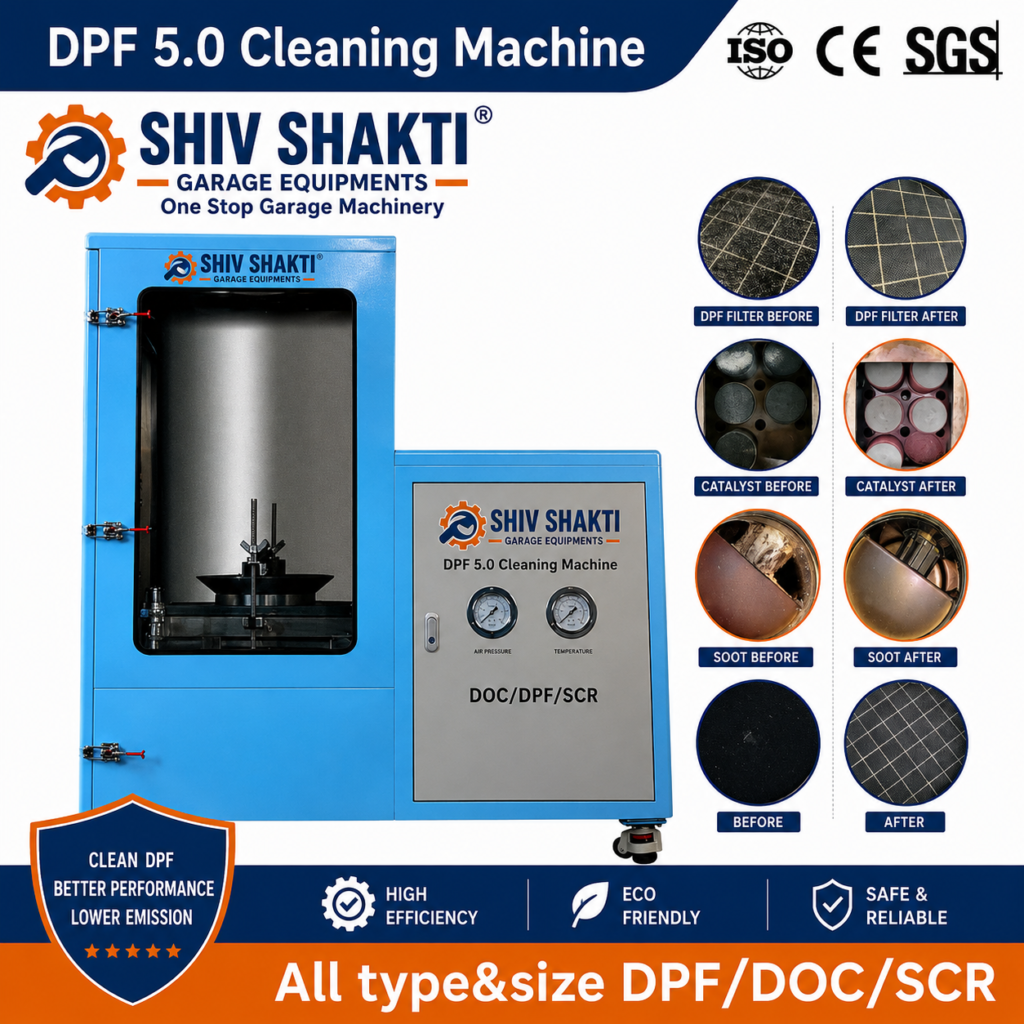
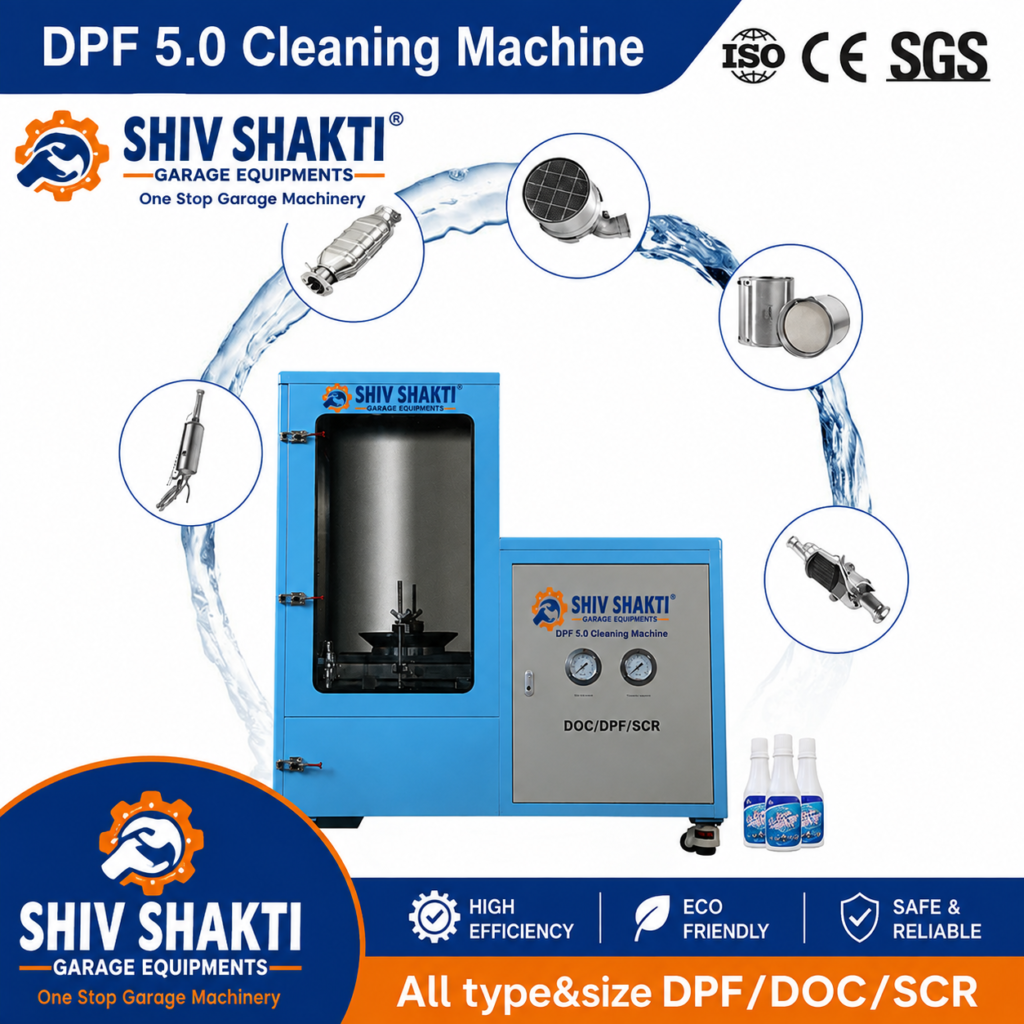
Benefits of Using Professional DPF Cleaning Equipment
A professional DPF Cleaning Machine can provide several advantages for workshops.
1. Adds a Specialized Service
DPF cleaning allows a general workshop to expand its service portfolio.
2. Supports Commercial Vehicle Servicing
Truck and fleet workshops can provide specialized exhaust-system maintenance.
3. More Systematic Cleaning
A dedicated machine provides a controlled cleaning procedure compared with improvised methods.
4. Potentially Reduces Replacement Costs
Where a filter is serviceable, cleaning may be considered instead of immediate replacement.
5. Helps Reduce Workshop Downtime
A workshop with in-house equipment does not necessarily need to outsource every DPF cleaning job.
6. Professional Customer Service
Testing before and after cleaning can make the service more transparent.
Wet DPF Cleaning vs Dry DPF Cleaning
Different manufacturers use different cleaning technologies.
Wet Cleaning
Wet systems can use water and specialized cleaning solutions.
Potential advantages include effective removal of certain contaminants.
However, proper drying is extremely important.
Dry Cleaning
Dry systems may use compressed air or other methods to remove accumulated material without introducing water.
The effectiveness depends on the machine design and cleaning procedure.
Combined Systems
Some professional systems incorporate multiple cleaning and testing functions.
When comparing machines, ask the supplier exactly how the cleaning process works rather than choosing based only on the word “automatic.”
DPF Cleaning Machine Features to Consider
When purchasing equipment, compare the technical features carefully.
Air Pressure System
The machine should have an appropriate pressure-control system for its intended application.
Cleaning Chamber
The chamber should accommodate the filter sizes you normally service.
Filter Mounting
A proper mounting system can help secure the DPF during cleaning.
Dust Collection
DPF cleaning can release significant particulate material. A suitable dust-management system is important.
Airflow Testing
Some professional machines provide before-and-after airflow testing.
Digital Controls
Digital controls can make operation easier and more repeatable.
Pressure Monitoring
Pressure monitoring can help technicians understand the cleaning process.
Drying System
For wet systems, proper drying capability is especially important.
Why Airflow Testing Matters
Simply removing visible dirt from a DPF does not necessarily mean that the filter has been properly cleaned.
Airflow testing can provide useful information.
A workshop can measure the filter before cleaning and then repeat the measurement after cleaning.
This allows the technician to evaluate the change.
For a professional DPF service center, this can provide stronger documentation for customers.
It also helps technicians identify filters that may not be suitable for continued use.
DPF Cleaning Machine with Testing System
A machine that combines cleaning and testing can be particularly useful for professional workshops.
A complete workflow may include:
Pre-cleaning test → Cleaning → Drying → Post-cleaning test
This approach is more professional than simply cleaning a filter and returning it to the customer without measuring the result.
Testing can also help identify severely damaged or restricted filters.
Can Every DPF Be Cleaned?
No.
This is an important point.
A DPF Cleaning Machine is not designed to repair physically destroyed filters.
A filter may not be suitable for cleaning if it has:
- Cracked substrate
- Melted core
- Severe structural damage
- Broken internal channels
- Major physical deformation
- Other manufacturer-specific defects
The technician should inspect the filter before cleaning.
If the substrate is damaged, replacement may be necessary.
DPF Regeneration vs DPF Cleaning
These two processes are often confused.
DPF Regeneration
Regeneration is a process in which accumulated soot is burned under controlled conditions.
The vehicle’s engine and exhaust systems normally manage regeneration.
DPF Cleaning
Professional cleaning involves physically removing accumulated material from the filter using specialized equipment.
Cleaning is generally considered when regeneration is no longer sufficient or when accumulated ash and contamination require workshop intervention.
The two processes are therefore not identical.
Why DPF Regeneration Does Not Remove Everything
Regeneration can burn soot under suitable conditions.
However, ash is not simply burned away in the same manner.
Over time, ash accumulation can reduce the available space within the filter.
This is one reason professional DPF cleaning can become necessary.
The actual service interval varies by vehicle, driving conditions and manufacturer recommendations.
Common Causes of DPF Problems
A DPF can become overloaded for many reasons.
Short-Distance Driving
Repeated short journeys may not allow the vehicle to complete regeneration properly.
Low Operating Temperature
Some vehicles need suitable operating conditions for regeneration.
Engine Problems
Faults that increase soot production can overload the DPF.
Faulty Sensors
Incorrect sensor readings can affect exhaust-system management.
EGR Problems
EGR-related issues can influence combustion and emissions.
Injector Problems
Poor fuel injection can contribute to excessive soot production.
Turbocharger Problems
Certain turbocharger faults can affect combustion and exhaust emissions.
Therefore, cleaning the DPF without diagnosing the underlying cause may not solve the customer’s problem permanently.
DPF Cleaning Machine for Automobile Workshops
For an automobile workshop, investing in dedicated DPF equipment can create a specialized service department.
A typical workshop can offer:
- DPF inspection
- DPF testing
- DPF cleaning
- DPF drying
- Post-cleaning testing
- DPF installation support
- Exhaust-system diagnosis
The exact services depend on the workshop’s equipment and technician expertise.