Wheel balancer Maintenance
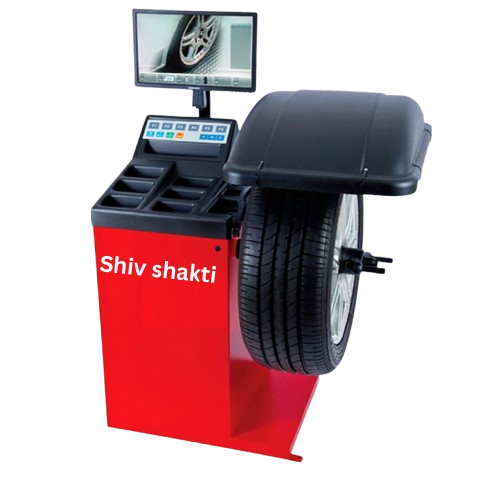
Wheel balancer Maintenance – The Complete Guide for Better Accuracy and Longer Machine Life A wheel balancer is one of the most important machines in any tyre shop, automobile workshop, or service center. It ensures that every wheel rotates evenly by detecting and correcting weight imbalances. However, even the most advanced balancing machine cannot deliver accurate results without proper Wheel balancer Maintenance. Regular Wheel balancer Maintenance not only improves balancing accuracy but also extends the life of the machine, reduces repair costs, minimizes downtime, and enhances customer satisfaction. Whether you own a small garage or a large automotive workshop, maintaining your wheel balancer should be part of your daily routine. Many workshop owners invest in premium wheel balancing equipment but overlook routine maintenance. Dust accumulation, improper calibration, worn accessories, loose electrical connections, and neglected cleaning can all reduce the machine’s performance over time. A simple maintenance schedule can prevent these issues and keep your equipment operating like new. In this complete guide, you’ll learn everything about Wheel balancer Maintenance, including daily inspections, weekly servicing, cleaning procedures, calibration tips, preventive maintenance, and expert advice to maximize your investment. H2: What is Wheel balancer Maintenance? Wheel balancer Maintenance refers to the routine inspection, cleaning, calibration, lubrication, and servicing of a wheel balancing machine to ensure it continues to provide precise and reliable balancing results. https://www.tradeindia.com/shiv-shakti-garage-equipments-163756341/ A well-maintained wheel balancer delivers: Accurate balancing measurements Faster service times Consistent performance Reduced machine breakdowns Longer equipment life Lower maintenance costs Better customer satisfaction Modern digital wheel balancers contain precision sensors, electronic circuits, rotating shafts, measuring arms, and software systems. Each of these components requires regular care to maintain optimal performance. https://shivshaktigarage.com/digital-wheel-balancer/ Ignoring Wheel balancer Maintenance can lead to incorrect balancing readings, customer complaints, premature tyre wear, steering vibrations, and expensive repairs. H2: Why Wheel balancer Maintenance is Important Proper Wheel balancer Maintenance is essential because wheel balancing accuracy directly affects vehicle performance and workshop credibility. https://shivshaktigarage.com/wheel-balancer-machine-manufacturer-in-india/ H3: Improves Balancing Accuracy Even small amounts of dirt or wear can affect measurement precision. Regular maintenance ensures every wheel is balanced accurately. H3: Extends Machine Life Routine cleaning and inspection prevent unnecessary wear on moving components, helping the machine operate efficiently for many years. H3: Reduces Repair Costs Preventive Wheel balancer Maintenance helps identify small issues before they become major and costly repairs. H3: Increases Workshop Productivity A machine in excellent condition performs balancing jobs quickly and consistently, allowing technicians to service more vehicles each day. H3: Builds Customer Trust Accurate wheel balancing improves ride comfort and reduces vibrations, leading to satisfied customers who are more likely to return and recommend your workshop. H3: Protects Other Vehicle Components Properly balanced wheels reduce stress on: Suspension systems Wheel bearings Steering components Shock absorbers Tyres Maintaining your wheel balancer ensures these benefits are consistently delivered to customers. H2: How a Wheel Balancer Works Understanding the working principle helps explain why Wheel balancer Maintenance is so important. H3: Step 1 – Wheel Mounting The technician mounts the wheel using the correct cone and locking nut. Proper centering is essential for accurate balancing. H3: Step 2 – Entering Wheel Measurements The machine records information such as: Wheel diameter Wheel width Offset distance Many modern wheel balancers automatically measure these dimensions. H3: Step 3 – Wheel Rotation The machine spins the wheel at a controlled speed while precision sensors monitor vibration and imbalance. H3: Step 4 – Digital Analysis Internal software calculates: Left-side imbalance Right-side imbalance Required balancing weight Exact weight placement H3: Step 5 – Weight Installation The technician installs balancing weights where indicated by the machine. H3: Step 6 – Verification The wheel is spun again to verify that the imbalance has been eliminated. If any component involved in this process is dirty, loose, or worn, the machine may produce incorrect readings. This is why consistent Wheel balancer Maintenance is essential. H2: Main Components That Require Regular Wheel balancer Maintenance Every wheel balancer consists of several precision components that should be inspected regularly. H3: Main Shaft The spindle or shaft must remain clean and free from rust, dirt, and damage. A contaminated shaft can prevent proper wheel centering. Maintenance Tips: Wipe after every use. Remove rust immediately. Apply a light protective lubricant if recommended by the manufacturer. H3: Mounting Cones Cones are responsible for centering the wheel correctly. Inspect them for: Wear Cracks Deformation Dirt buildup Replace damaged cones immediately to maintain balancing accuracy. H3: Quick Lock Nut The locking nut secures the wheel during operation. Regularly inspect for: Smooth operation Thread damage Proper tightening Wear on locking surfaces H3: Measuring Arm Automatic measuring arms should move smoothly and provide accurate readings. https://g.page/r/CXBa8k4gljxAEBM/review Check for: Free movement Calibration accuracy Sensor cleanliness Physical damage H3: Display Screen Keep the digital display clean and easy to read. Avoid: Excessive dust Oil contamination Sharp cleaning tools Harsh chemicals H3: Sensors Sensors are the heart of the machine. They should always remain: Clean Properly calibrated Securely mounted Free from moisture H3: Electrical Connections Inspect cables and connectors for: Loose wiring Frayed insulation Corrosion Damaged plugs Reliable electrical connections help ensure accurate sensor communication. Daily Wheel balancer Maintenance Checklist Daily Wheel balancer Maintenance takes only a few minutes but can significantly improve machine performance. Clean the Machine Before starting work each day: Remove dust Wipe grease Clean the control panel Remove metal particles Keep ventilation openings clear A clean machine performs more consistently. Inspect the Shaft Check that the spindle is: Clean Smooth Rust-free Free from scratches Even minor contamination can affect wheel centering. Examine the Cones Ensure every cone is: https://www.indiamart.com/shivshaktigarageequipments/profile.html?srsltid=AfmBOopySTZNEICdVD7ghMQ5x2hfR2YGsPoZ4Am5Cr4Tq9BnSPsh7j-7 Clean Undamaged Properly stored Appropriate for the wheel being balanced Check the Locking Nut Confirm that: Threads are clean Nut tightens correctly No excessive wear is present Verify Display Operation Ensure the display: Powers on correctly Shows accurate information Has no error messages Responds properly to controls