
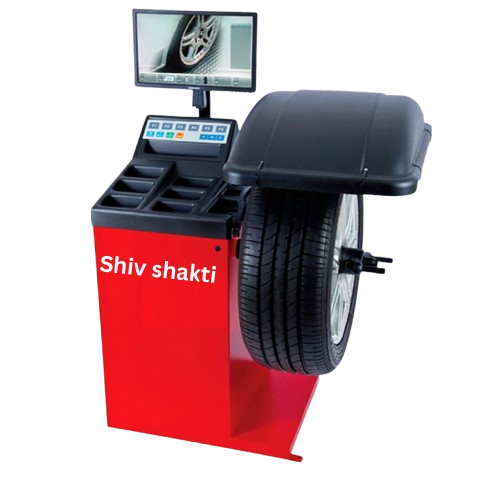
Computerized Wheel Balancer

Workshop Wheel Balancing Setup
Uncategorized

Wheel Balancing Benefits

Wheel Balancing Benefits: Why Every Vehicle Needs Proper Wheel Balancing Every vehicle owner wants a smooth, safe, and comfortable driving experience. Whether you drive a hatchback, sedan, SUV, luxury car, or commercial vehicle, one maintenance service plays a vital role in keeping your vehicle performing at its best—wheel balancing. Many drivers ignore wheel balancing until they notice steering vibrations, uneven tyre wear, or poor driving comfort. Unfortunately, delaying this simple service can lead to expensive tyre replacements, suspension repairs, and reduced vehicle safety. Understanding wheel balancing benefits helps you realize why this maintenance procedure is recommended by every automobile manufacturer and professional workshop. Proper wheel balancing not only improves driving comfort but also protects your tyres, suspension, steering components, and overall vehicle performance. https://shivshaktigarage.com/tyre-changer-machine-manufacturer-in-india/ At Shiv Shakti Garage Equipments, we have over 18 years of experience providing advanced garage equipment across India. We understand how modern Digital Wheel Balancer machines help workshops deliver precise wheel balancing services, resulting in better customer satisfaction and longer tyre life. https://g.page/r/CXBa8k4gljxAEBM/review In this comprehensive guide, you’ll discover the most important wheel balancing benefits, how wheel balancing works, when it should be performed, and why every vehicle owner should make it part of their regular maintenance routine. What is Wheel Balancing? Wheel balancing is the process of evenly distributing the weight of a tyre and wheel assembly so that it rotates smoothly at all speeds. Even a slight imbalance can create vibrations, uneven tyre wear, poor steering response, and additional stress on suspension components. Using a modern Digital Wheel Balancer, technicians identify the exact location of any imbalance and attach small balancing weights to restore perfect rotation. One of the biggest wheel balancing benefits is that it allows the wheels to spin evenly, reducing unnecessary strain on the vehicle while delivering a smoother driving experience. Why is Wheel Balancing Important? As tyres wear over time, their weight distribution changes. Small variations caused by road impacts, potholes, tyre repairs, or regular driving can create wheel imbalance. Ignoring this imbalance may result in: Steering wheel vibrations Uneven tyre wear Reduced tyre lifespan Increased fuel consumption Poor handling Suspension damage Noisy driving experience Driver fatigue Reduced braking stability Higher maintenance costs These issues can often be avoided through regular wheel balancing. This is why the wheel balancing benefits extend far beyond simply making the ride more comfortable. How Does Wheel Balancing Work? Modern wheel balancing is a quick and highly accurate process performed using a computerized wheel balancer. Step 1 – Wheel Inspection The technician first inspects the tyre and wheel for visible damage, uneven wear, or embedded objects. Step 2 – Mounting the Wheel The wheel is securely mounted onto the balancing machine using precision cones and adapters. Step 3 – Measuring Wheel Dimensions The technician enters or automatically measures: Wheel width Wheel diameter Offset distance Advanced digital machines perform these measurements automatically for greater accuracy. Step 4 – Wheel Rotation The machine spins the wheel at a controlled speed while high-precision sensors detect any imbalance. Step 5 – Detecting Imbalance The balancing machine calculates: Static imbalance Dynamic imbalance Exact weight required Precise weight placement Step 6 – Applying Balancing Weights Small balancing weights are attached to the wheel at the recommended locations. Step 7 – Verification The wheel is spun again to confirm that the imbalance has been eliminated. The result is a smoother, safer, and more efficient driving experience—one of the most valuable wheel balancing benefits for any vehicle owner. Wheel Balancing vs Wheel Alignment Many people assume wheel balancing and wheel alignment are the same service, but they solve different problems. Wheel Balancing Wheel Alignment Balances tyre and wheel weight Adjusts wheel angles Eliminates vibration Improves steering geometry Extends tyre life Prevents uneven tyre wear Uses balancing weights Adjusts suspension settings Requires a wheel balancer Requires a wheel alignment machine Both services are important, but understanding the wheel balancing benefits helps vehicle owners recognize why balancing should never be skipped after tyre installation or repair. Top Wheel Balancing Benefits Proper wheel balancing offers numerous advantages for both vehicle owners and workshop operators. Below are the most significant wheel balancing benefits. 1. Improves Driving Comfort One of the most noticeable wheel balancing benefits is a smoother ride. When wheels are perfectly balanced, they rotate evenly without creating unnecessary vibrations. This improves overall comfort for both the driver and passengers, especially during long journeys. A vibration-free ride also reduces fatigue and makes highway driving more enjoyable. 2. Extends Tyre Life Tyres are one of the most expensive consumable parts of any vehicle. An unbalanced wheel causes uneven contact with the road, leading to irregular tread wear. Over time, this shortens tyre life and increases replacement costs. Regular balancing ensures even tread wear, helping tyres last longer and perform more efficiently. Among all wheel balancing benefits, extending tyre lifespan can save vehicle owners a significant amount of money over the life of the vehicle. 3. Reduces Steering Wheel Vibrations If you notice the steering wheel shaking at speeds between 60 km/h and 100 km/h, wheel imbalance is often the cause. A properly balanced wheel rotates smoothly, eliminating vibrations that can affect handling and driver confidence. This is one of the first improvements drivers notice after professional wheel balancing. 4. Enhances Vehicle Safety Safety is one of the most important wheel balancing benefits. Balanced wheels provide: Better road grip Improved steering control Stable cornering Predictable braking Reduced risk of tyre damage When your wheels rotate evenly, your vehicle responds more accurately to steering inputs, especially during emergency maneuvers. 5. Improves Fuel Efficiency Many drivers are surprised to learn that proper wheel balancing can help improve fuel economy. Unbalanced wheels create additional rolling resistance, forcing the engine to work harder. Balanced wheels reduce unnecessary resistance, allowing the vehicle to move more efficiently and consume less fuel over time. Although the savings may seem small on each trip, they add up significantly over thousands of kilometers. 6. Protects Suspension Components Wheel imbalance transfers constant vibrations to the suspension system. Over time,
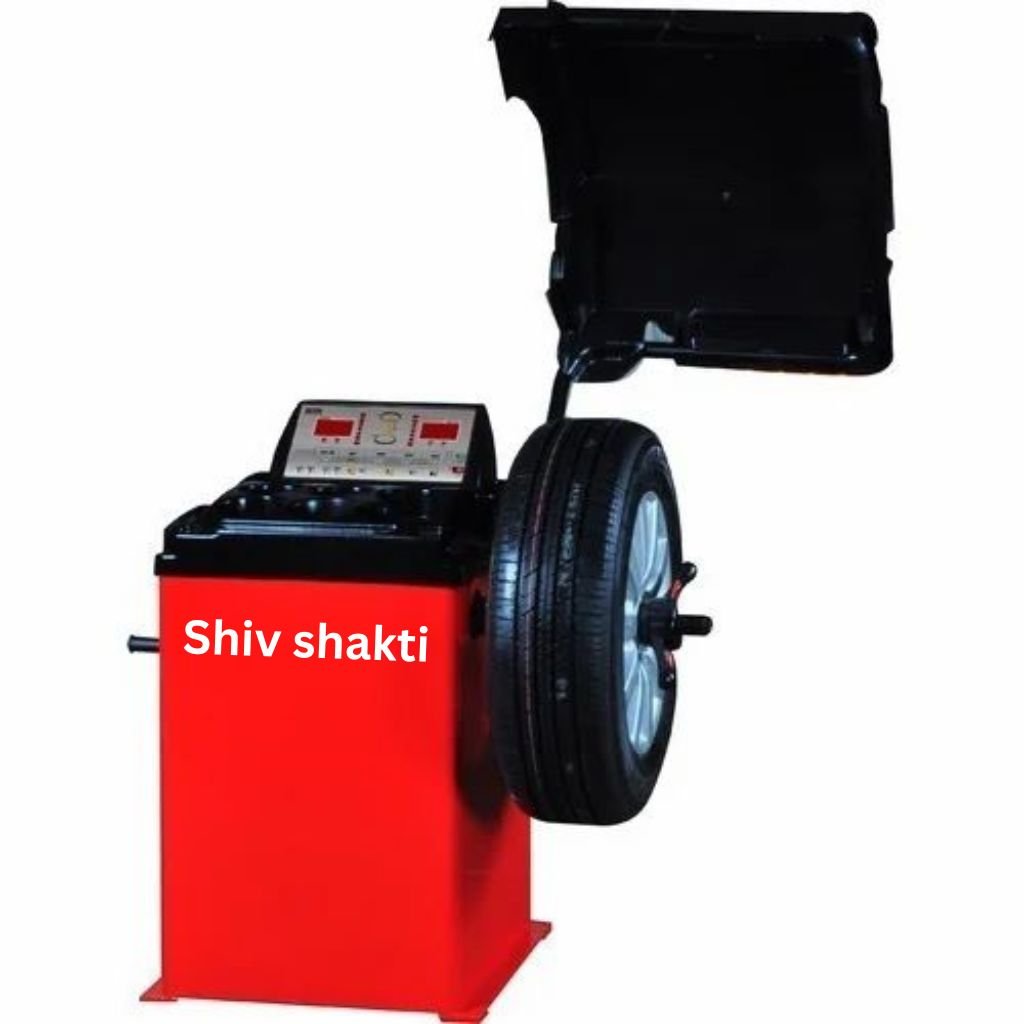
Workshop Wheel Balancing Setup
Digital Wheel Balancer

Digital Wheel Balancer

Digital Wheel balancer: The Complete Guide to Accurate Wheel Balancing, Better Performance & Longer Tyre Life (2026) What is a Digital Wheel balancer? A Digital Wheel balancer is an advanced automotive garage machine designed to identify and eliminate wheel imbalance with exceptional accuracy. Every vehicle wheel has slight variations in weight distribution, and these small differences can create vibrations, uneven tyre wear, steering issues, and reduced driving comfort. A Digital Wheel balancer measures these imbalances and guides the technician to place balancing weights at the correct positions. Unlike traditional balancing equipment, a Digital Wheel balancer uses intelligent sensors, digital displays, precision measuring systems, and automatic calculation software to deliver fast and reliable results. It significantly improves balancing accuracy while reducing technician effort and service time.https://shivshaktigarage.com/wheel-balancer-maintenance/ As modern cars become faster and more technologically advanced, wheel balancing has become an essential maintenance procedure rather than an optional service. Whether you own a small tyre shop, a premium service centre, or a complete automobile workshop, investing in a high-quality Digital Wheel balancer can improve service quality and customer satisfaction. Why Every Modern Workshop Needs a Digital Wheel balancer The automotive service industry has evolved rapidly over the last decade. Customers now expect smooth driving, vibration-free performance, and quick service. A Digital Wheel balancer helps workshops meet these expectations with precision and consistency. Here are some key reasons every workshop should have one: Improved Customer Satisfaction Customers immediately notice smoother steering, reduced vibrations, and better ride comfort after proper wheel balancing. Positive service experiences often lead to repeat business and referrals. Increased Workshop Productivity A Digital Wheel balancer completes balancing jobs much faster than manual methods. More vehicles can be serviced each day, improving workshop efficiency and profitability. Accurate Results Modern digital sensors ensure the balancing process is highly accurate, reducing the chances of errors and repeat work. Professional Image Using advanced equipment like a Digital Wheel balancer enhances your workshop’s reputation and builds customer confidence. Higher Revenue Wheel balancing is one of the most profitable routine automotive services. Offering precise balancing can increase your workshop’s daily earnings while attracting new customers. How Does a Digital Wheel balancer Work? Understanding how a Digital Wheel balancer works helps workshop owners appreciate its importance. The balancing process generally involves the following steps: Step 1: Mounting the Wheel The technician securely mounts the wheel onto the machine using the appropriate cone and locking system. Step 2: Entering Wheel Dimensions The operator enters wheel parameters such as: Wheel diameter Wheel width Offset distance Many premium Digital Wheel balancer models automatically detect these measurements. https://shivshaktigarage.com/wheel-balancer-machine-manufacturer-in-india/ Step 3: Wheel Rotation The machine spins the wheel at a controlled speed while internal sensors monitor vibration patterns. Step 4: Imbalance Detection Highly sensitive electronic sensors identify: Static imbalance Dynamic imbalance Weight distribution differences Step 5: Weight Position Calculation The software calculates the exact amount and location of balancing weights required. Step 6: Weight Installation The technician installs clip-on or adhesive weights at the indicated positions. Step 7: Final Verification The wheel is spun again to confirm that the imbalance has been corrected successfully. The result is a perfectly balanced wheel that delivers a smoother and safer driving experience. Major Components of a Digital Wheel balancer A high-quality Digital Wheel balancer consists of several advanced components that work together to ensure accurate balancing. Digital Display A bright digital display shows imbalance values, weight positions, balancing modes, and machine status. Precision Sensors Electronic sensors detect even the smallest imbalance in the rotating wheel. Main Shaft The precision-machined shaft ensures stable wheel mounting during operation. Wheel Locking System A reliable locking mechanism keeps the wheel firmly secured while spinning. Measurement Arm Premium machines feature automatic measurement arms for quick data entry. Control Panel The user-friendly control panel allows technicians to select balancing modes easily. Electric Motor A powerful motor rotates the wheel smoothly for accurate readings. https://shivshaktigarage.com/wheel-balancing-benefits/ Software System Advanced balancing software processes sensor data and recommends precise correction points. Top Benefits of Using a Digital Wheel balancer A Digital Wheel balancer provides numerous advantages for both vehicle owners and workshop businesses. 1. Superior Driving Comfort Balanced wheels eliminate steering wheel vibration and improve overall ride quality. 2. Longer Tyre Life Uneven tyre wear is one of the biggest causes of premature tyre replacement. Proper balancing extends tyre life considerably. 3. Better Fuel Efficiency Balanced wheels rotate more efficiently, reducing rolling resistance and helping improve fuel economy. 4. Improved Vehicle Safety Wheel imbalance can reduce vehicle stability, especially at high speeds. A Digital Wheel balancer helps maintain safer handling and braking performance. 5. Reduced Suspension Wear Wheel imbalance places additional stress on: Shock absorbers Bearings Steering components Suspension joints Balancing minimizes unnecessary wear on these expensive parts. 6. Fast Service Modern Digital Wheel balancer machines complete balancing within minutes, allowing workshops to serve more customers. 7. Professional Accuracy Digital systems reduce human error and deliver highly consistent balancing results. Digital Wheel balancer vs Conventional Wheel Balancer Accuracy A Digital Wheel balancer offers significantly higher precision than conventional balancing machines. Speed Digital systems complete balancing faster with automated calculations. Ease of Operation The user-friendly interface makes operation simple, even for less experienced technicians. Error Reduction Advanced software minimizes mistakes during balancing. Productivity Workshops equipped with a Digital Wheel balancer can handle more vehicles each day compared to workshops using older balancing equipment. Types of Digital Wheel balancer Machines Different workshops require different balancing solutions. Choosing the right Digital Wheel balancer depends on the types of vehicles you service. Manual Digital Wheel balancer Ideal for: Small garages Local tyre shops Start-up workshops Advantages: Affordable Easy operation Reliable performance Semi-Automatic Digital Wheel balancer Suitable for: Medium-sized workshops Multi-brand service centres Fleet maintenance facilities Features include: Automatic distance measurement Multiple balancing modes Faster operation Improved accuracy Fully Automatic Digital Wheel balancer Recommended for: Premium automobile workshops OEM service centres High-volume tyre shops Professional wheel service businesses Advantages include: Automatic wheel measurement Laser positioning Intelligent software Automatic braking Self-calibration High-speed balancing Features to Look for Before Buying a Digital Wheel

Workshop Wheel Balancing Setup
Wheel Balancer Price

Wheel Balancer Price

Wheel Balancer Price in India – Complete Buying Guide for Every Garage Owner (2026) When it comes to running a successful automobile workshop, investing in the right equipment is one of the smartest decisions you can make. Among all essential garage machines, the wheel balancer plays a vital role in ensuring smooth driving, improved tyre life, and customer satisfaction. Before making a purchase, one question comes to every buyer’s mind—what is the actual Wheel balancer Price in India? https://shivshaktigarage.com/wheel-balancer-machine-manufacturer-in-india/ The Wheel balancer Price depends on several important factors, including machine type, balancing accuracy, automation level, motor quality, shaft size, display technology, and brand reputation. While many workshops simply compare prices, experienced garage owners know that choosing the right machine is more important than buying the cheapest one. Whether you own a small tyre shop, a multi-brand car workshop, a dealership service center, or you’re planning to start a new garage business, understanding the Wheel balancer Price will help you make a profitable investment that delivers excellent returns for years. In this comprehensive guide, you’ll learn everything about Wheel balancer Price, including machine types, features, price factors, benefits, maintenance tips, and expert buying advice from professionals with years of experience in the automobile garage equipment industry. What is a Wheel Balancer Machine? A wheel balancer machine is an advanced garage equipment used to detect weight imbalance in a vehicle’s wheel assembly. Even a small imbalance can cause steering vibration, uneven tyre wear, poor driving comfort, and increased suspension damage. The machine spins the wheel at high speed and accurately identifies the exact location where balancing weights should be installed. Once balanced correctly, the vehicle performs better, tyres last longer, and customers enjoy a smoother driving experience. Today, every professional tyre shop and automobile workshop considers this machine an essential investment because wheel balancing has become a regular maintenance service for almost every vehicle. Why Understanding Wheel Balancer Price is Important Before Buying Many buyers search online for the Wheel balancer Price without understanding what influences the cost. Purchasing a low-quality machine simply because it is cheaper can lead to frequent breakdowns, inaccurate balancing, and higher maintenance expenses. Understanding the Wheel balancer Price helps you: Compare machines intelligently Select the right features Avoid poor-quality products Increase workshop productivity Improve customer satisfaction Earn higher profits Reduce maintenance costs Buy a machine that lasts for years Instead of focusing only on the initial investment, smart garage owners evaluate long-term value, durability, spare parts availability, and after-sales service. Why Every Modern Workshop Needs a Wheel Balancer The automobile industry is growing rapidly in India. Every year, millions of new vehicles are added to Indian roads. As tyre replacement and wheel servicing increase, wheel balancing has become a mandatory service in professional workshops. A quality wheel balancer helps workshops by: Improving Driving Comfort Balanced wheels eliminate steering vibration, making driving smoother and safer. Increasing Tyre Life Improper wheel balance causes uneven tyre wear. Correct balancing significantly extends tyre lifespan. Protecting Suspension Components Wheel imbalance puts additional pressure on suspension parts, bearings, and steering components. Enhancing Fuel Efficiency Balanced wheels reduce rolling resistance, allowing vehicles to consume less fuel over time. Building Customer Trust When customers experience smoother driving after servicing, they are more likely to return and recommend your workshop. Factors That Affect Wheel Balancer Price Several technical specifications influence the Wheel balancer Price. Understanding these factors helps buyers select the right machine according to their business needs. 1. Machine Technology Basic manual models cost less than fully automatic computerized machines. Modern digital wheel balancers include: Automatic distance measurement Automatic wheel width detection Laser positioning LED display Smart balancing programs Self-calibration system Advanced technology generally increases the Wheel balancer Price, but also improves productivity and accuracy. 2. Balancing Accuracy Accuracy is one of the biggest factors affecting the Wheel balancer Price. Professional machines provide balancing accuracy up to ±1 gram. Higher precision means: Better customer satisfaction Faster balancing Less rework Professional results 3. Motor Quality Premium machines use heavy-duty copper winding motors. Advantages include: Longer life Lower electricity consumption Quiet operation High-speed balancing Better durability Machines with premium motors usually have a higher Wheel balancer Price, but they offer much better long-term reliability. 4. Shaft Quality The balancing shaft directly affects measurement accuracy. High-quality hardened steel shafts provide: Better rotation Longer lifespan Higher precision Reduced vibration 5. Display Technology Modern wheel balancers feature: LCD Display LED Display Digital Monitor High-definition Screen Graphic Interface A better display improves operator efficiency and reduces balancing errors. 6. Build Quality Industrial-grade steel construction significantly increases machine durability. A robust body protects internal components and reduces maintenance costs. 7. Accessories Included Many manufacturers include: Cone sets Wheel calipers Quick lock nut Balancing weights Tool tray Calibration weight Machines with complete accessory kits usually offer better overall value. Types of Wheel Balancer Machines Available in India Choosing the correct machine is just as important as understanding the Wheel balancer Price. Manual Wheel Balancer Suitable for: Small tyre shops Rural workshops Low daily workload Advantages: Affordable Easy operation Low maintenance Limitations: Lower speed Limited accuracy Manual measurements Digital Wheel Balancer Most popular among Indian workshops. Benefits include: High accuracy Fast balancing Digital interface Multiple balancing modes Reliable performance This category offers the best balance between performance and Wheel balancer Price. Automatic Wheel Balancer Designed for: High-volume workshops Dealerships Premium tyre stores Multi-brand service centers Features include: Automatic data entry Laser positioning Automatic wheel detection High-speed operation Smart balancing programs Although the Wheel balancer Price is higher, these machines deliver maximum productivity and efficiency. Features to Look for Before Comparing Wheel Balancer Price Never compare machines based only on price. Instead, evaluate these important features: Automatic Distance Measurement Saves operator time while improving balancing accuracy. Self Calibration Maintains consistent performance throughout the machine’s lifespan. Dynamic Balancing Mode Essential for modern passenger cars. Static Balancing Mode Useful for motorcycles and smaller wheels. Alloy Wheel Program Protects expensive alloy wheels during balancing. Quick Lock Nut Allows faster wheel mounting. Laser Positioning Ensures accurate placement of balancing

Scroll to Top