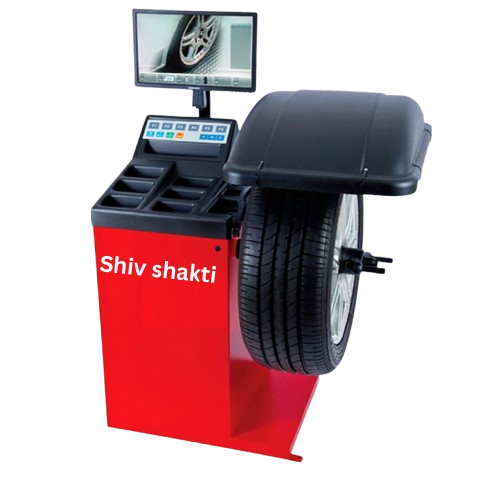
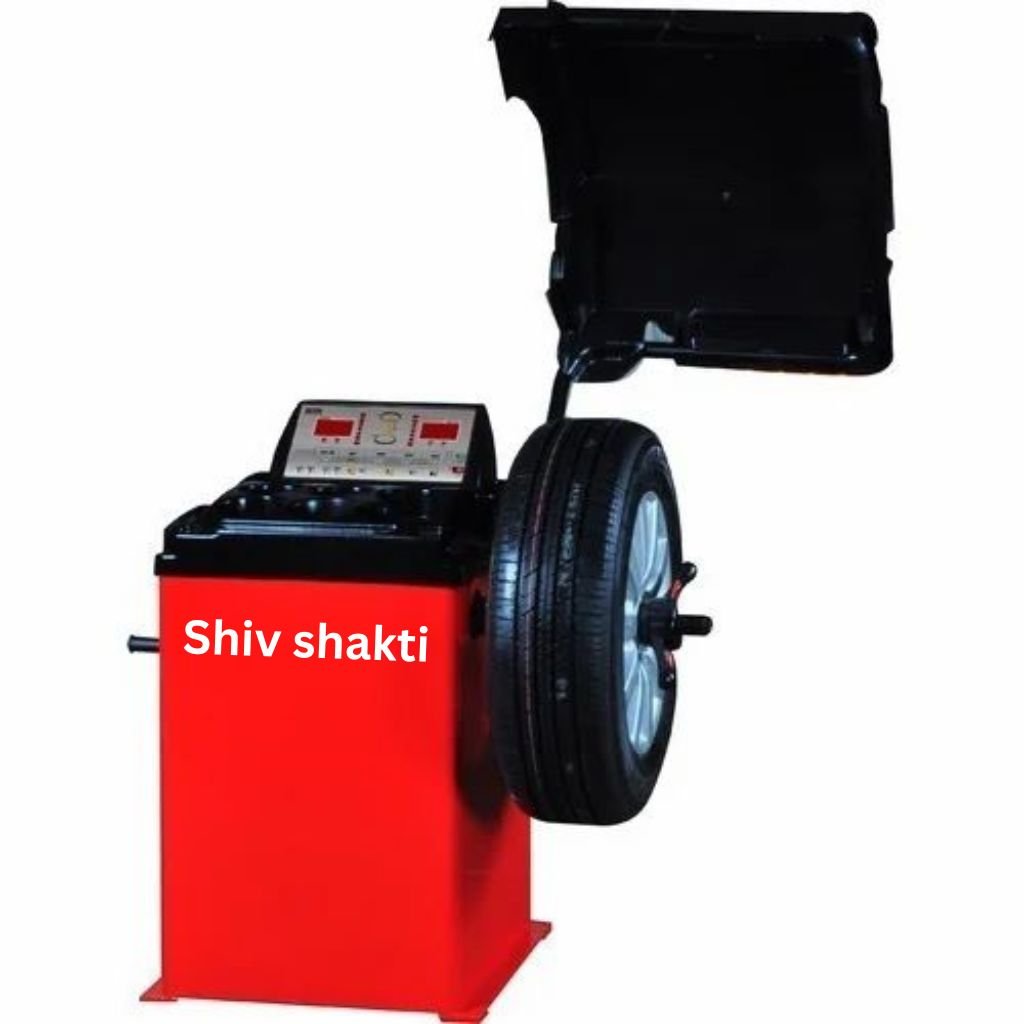
Digital Wheel Balancer
Digital Wheel balancer: The Complete Guide to Accurate Wheel Balancing, Better Performance & Longer Tyre Life (2026) What is a Digital Wheel balancer? A Digital Wheel balancer is an advanced automotive garage machine designed to identify and eliminate wheel imbalance with exceptional accuracy. Every vehicle wheel has slight variations in weight distribution, and these small differences can create vibrations, uneven tyre wear, steering issues, and reduced driving comfort. A Digital Wheel balancer measures these imbalances and guides the technician to place balancing weights at the correct positions. Unlike traditional balancing equipment, a Digital Wheel balancer uses intelligent sensors, digital displays, precision measuring systems, and automatic calculation software to deliver fast and reliable results. It significantly improves balancing accuracy while reducing technician effort and service time.https://shivshaktigarage.com/wheel-balancer-maintenance/ As modern cars become faster and more technologically advanced, wheel balancing has become an essential maintenance procedure rather than an optional service. Whether you own a small tyre shop, a premium service centre, or a complete automobile workshop, investing in a high-quality Digital Wheel balancer can improve service quality and customer satisfaction. Why Every Modern Workshop Needs a Digital Wheel balancer The automotive service industry has evolved rapidly over the last decade. Customers now expect smooth driving, vibration-free performance, and quick service. A Digital Wheel balancer helps workshops meet these expectations with precision and consistency. Here are some key reasons every workshop should have one: Improved Customer Satisfaction Customers immediately notice smoother steering, reduced vibrations, and better ride comfort after proper wheel balancing. Positive service experiences often lead to repeat business and referrals. Increased Workshop Productivity A Digital Wheel balancer completes balancing jobs much faster than manual methods. More vehicles can be serviced each day, improving workshop efficiency and profitability. Accurate Results Modern digital sensors ensure the balancing process is highly accurate, reducing the chances of errors and repeat work. Professional Image Using advanced equipment like a Digital Wheel balancer enhances your workshop’s reputation and builds customer confidence. Higher Revenue Wheel balancing is one of the most profitable routine automotive services. Offering precise balancing can increase your workshop’s daily earnings while attracting new customers. How Does a Digital Wheel balancer Work? Understanding how a Digital Wheel balancer works helps workshop owners appreciate its importance. The balancing process generally involves the following steps: Step 1: Mounting the Wheel The technician securely mounts the wheel onto the machine using the appropriate cone and locking system. Step 2: Entering Wheel Dimensions The operator enters wheel parameters such as: Wheel diameter Wheel width Offset distance Many premium Digital Wheel balancer models automatically detect these measurements. https://shivshaktigarage.com/wheel-balancer-machine-manufacturer-in-india/ Step 3: Wheel Rotation The machine spins the wheel at a controlled speed while internal sensors monitor vibration patterns. Step 4: Imbalance Detection Highly sensitive electronic sensors identify: Static imbalance Dynamic imbalance Weight distribution differences Step 5: Weight Position Calculation The software calculates the exact amount and location of balancing weights required. Step 6: Weight Installation The technician installs clip-on or adhesive weights at the indicated positions. Step 7: Final Verification The wheel is spun again to confirm that the imbalance has been corrected successfully. The result is a perfectly balanced wheel that delivers a smoother and safer driving experience. Major Components of a Digital Wheel balancer A high-quality Digital Wheel balancer consists of several advanced components that work together to ensure accurate balancing. Digital Display A bright digital display shows imbalance values, weight positions, balancing modes, and machine status. Precision Sensors Electronic sensors detect even the smallest imbalance in the rotating wheel. Main Shaft The precision-machined shaft ensures stable wheel mounting during operation. Wheel Locking System A reliable locking mechanism keeps the wheel firmly secured while spinning. Measurement Arm Premium machines feature automatic measurement arms for quick data entry. Control Panel The user-friendly control panel allows technicians to select balancing modes easily. Electric Motor A powerful motor rotates the wheel smoothly for accurate readings. Software System Advanced balancing software processes sensor data and recommends precise correction points. Top Benefits of Using a Digital Wheel balancer A Digital Wheel balancer provides numerous advantages for both vehicle owners and workshop businesses. 1. Superior Driving Comfort Balanced wheels eliminate steering wheel vibration and improve overall ride quality. 2. Longer Tyre Life Uneven tyre wear is one of the biggest causes of premature tyre replacement. Proper balancing extends tyre life considerably. 3. Better Fuel Efficiency Balanced wheels rotate more efficiently, reducing rolling resistance and helping improve fuel economy. 4. Improved Vehicle Safety Wheel imbalance can reduce vehicle stability, especially at high speeds. A Digital Wheel balancer helps maintain safer handling and braking performance. 5. Reduced Suspension Wear Wheel imbalance places additional stress on: Shock absorbers Bearings Steering components Suspension joints Balancing minimizes unnecessary wear on these expensive parts. 6. Fast Service Modern Digital Wheel balancer machines complete balancing within minutes, allowing workshops to serve more customers. 7. Professional Accuracy Digital systems reduce human error and deliver highly consistent balancing results. Digital Wheel balancer vs Conventional Wheel Balancer Accuracy A Digital Wheel balancer offers significantly higher precision than conventional balancing machines. Speed Digital systems complete balancing faster with automated calculations. Ease of Operation The user-friendly interface makes operation simple, even for less experienced technicians. Error Reduction Advanced software minimizes mistakes during balancing. Productivity Workshops equipped with a Digital Wheel balancer can handle more vehicles each day compared to workshops using older balancing equipment. Types of Digital Wheel balancer Machines Different workshops require different balancing solutions. Choosing the right Digital Wheel balancer depends on the types of vehicles you service. Manual Digital Wheel balancer Ideal for: Small garages Local tyre shops Start-up workshops Advantages: Affordable Easy operation Reliable performance Semi-Automatic Digital Wheel balancer Suitable for: Medium-sized workshops Multi-brand service centres Fleet maintenance facilities Features include: Automatic distance measurement Multiple balancing modes Faster operation Improved accuracy Fully Automatic Digital Wheel balancer Recommended for: Premium automobile workshops OEM service centres High-volume tyre shops Professional wheel service businesses Advantages include: Automatic wheel measurement Laser positioning Intelligent software Automatic braking Self-calibration High-speed balancing Features to Look for Before Buying a Digital Wheel