
Wheel Balancing Benefits
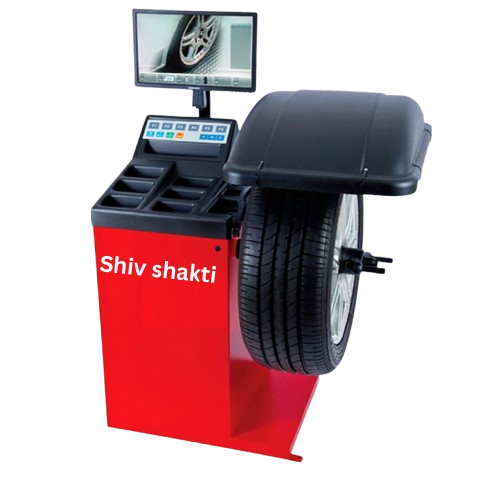
Wheel Balancing Benefits: Why Every Vehicle Needs Proper Wheel Balancing Every vehicle owner wants a smooth, safe, and comfortable driving experience. Whether you drive a hatchback, sedan, SUV, luxury car, or commercial vehicle, one maintenance service plays a vital role in keeping your vehicle performing at its best—wheel balancing. Many drivers ignore wheel balancing until they notice steering vibrations, uneven tyre wear, or poor driving comfort. Unfortunately, delaying this simple service can lead to expensive tyre replacements, suspension repairs, and reduced vehicle safety. Understanding wheel balancing benefits helps you realize why this maintenance procedure is recommended by every automobile manufacturer and professional workshop. Proper wheel balancing not only improves driving comfort but also protects your tyres, suspension, steering components, and overall vehicle performance. https://shivshaktigarage.com/tyre-changer-machine-manufacturer-in-india/ At Shiv Shakti Garage Equipments, we have over 18 years of experience providing advanced garage equipment across India. We understand how modern Digital Wheel Balancer machines help workshops deliver precise wheel balancing services, resulting in better customer satisfaction and longer tyre life. https://g.page/r/CXBa8k4gljxAEBM/review In this comprehensive guide, you’ll discover the most important wheel balancing benefits, how wheel balancing works, when it should be performed, and why every vehicle owner should make it part of their regular maintenance routine. What is Wheel Balancing? Wheel balancing is the process of evenly distributing the weight of a tyre and wheel assembly so that it rotates smoothly at all speeds. Even a slight imbalance can create vibrations, uneven tyre wear, poor steering response, and additional stress on suspension components. Using a modern Digital Wheel Balancer, technicians identify the exact location of any imbalance and attach small balancing weights to restore perfect rotation. One of the biggest wheel balancing benefits is that it allows the wheels to spin evenly, reducing unnecessary strain on the vehicle while delivering a smoother driving experience. Why is Wheel Balancing Important? As tyres wear over time, their weight distribution changes. Small variations caused by road impacts, potholes, tyre repairs, or regular driving can create wheel imbalance. Ignoring this imbalance may result in: Steering wheel vibrations Uneven tyre wear Reduced tyre lifespan Increased fuel consumption Poor handling Suspension damage Noisy driving experience Driver fatigue Reduced braking stability Higher maintenance costs These issues can often be avoided through regular wheel balancing. This is why the wheel balancing benefits extend far beyond simply making the ride more comfortable. How Does Wheel Balancing Work? Modern wheel balancing is a quick and highly accurate process performed using a computerized wheel balancer. Step 1 – Wheel Inspection The technician first inspects the tyre and wheel for visible damage, uneven wear, or embedded objects. Step 2 – Mounting the Wheel The wheel is securely mounted onto the balancing machine using precision cones and adapters. Step 3 – Measuring Wheel Dimensions The technician enters or automatically measures: Wheel width Wheel diameter Offset distance Advanced digital machines perform these measurements automatically for greater accuracy. Step 4 – Wheel Rotation The machine spins the wheel at a controlled speed while high-precision sensors detect any imbalance. Step 5 – Detecting Imbalance The balancing machine calculates: Static imbalance Dynamic imbalance Exact weight required Precise weight placement Step 6 – Applying Balancing Weights Small balancing weights are attached to the wheel at the recommended locations. Step 7 – Verification The wheel is spun again to confirm that the imbalance has been eliminated. The result is a smoother, safer, and more efficient driving experience—one of the most valuable wheel balancing benefits for any vehicle owner. Wheel Balancing vs Wheel Alignment Many people assume wheel balancing and wheel alignment are the same service, but they solve different problems. Wheel Balancing Wheel Alignment Balances tyre and wheel weight Adjusts wheel angles Eliminates vibration Improves steering geometry Extends tyre life Prevents uneven tyre wear Uses balancing weights Adjusts suspension settings Requires a wheel balancer Requires a wheel alignment machine Both services are important, but understanding the wheel balancing benefits helps vehicle owners recognize why balancing should never be skipped after tyre installation or repair. Top Wheel Balancing Benefits Proper wheel balancing offers numerous advantages for both vehicle owners and workshop operators. Below are the most significant wheel balancing benefits. 1. Improves Driving Comfort One of the most noticeable wheel balancing benefits is a smoother ride. When wheels are perfectly balanced, they rotate evenly without creating unnecessary vibrations. This improves overall comfort for both the driver and passengers, especially during long journeys. A vibration-free ride also reduces fatigue and makes highway driving more enjoyable. 2. Extends Tyre Life Tyres are one of the most expensive consumable parts of any vehicle. An unbalanced wheel causes uneven contact with the road, leading to irregular tread wear. Over time, this shortens tyre life and increases replacement costs. Regular balancing ensures even tread wear, helping tyres last longer and perform more efficiently. Among all wheel balancing benefits, extending tyre lifespan can save vehicle owners a significant amount of money over the life of the vehicle. 3. Reduces Steering Wheel Vibrations If you notice the steering wheel shaking at speeds between 60 km/h and 100 km/h, wheel imbalance is often the cause. A properly balanced wheel rotates smoothly, eliminating vibrations that can affect handling and driver confidence. This is one of the first improvements drivers notice after professional wheel balancing. 4. Enhances Vehicle Safety Safety is one of the most important wheel balancing benefits. Balanced wheels provide: Better road grip Improved steering control Stable cornering Predictable braking Reduced risk of tyre damage When your wheels rotate evenly, your vehicle responds more accurately to steering inputs, especially during emergency maneuvers. 5. Improves Fuel Efficiency Many drivers are surprised to learn that proper wheel balancing can help improve fuel economy. Unbalanced wheels create additional rolling resistance, forcing the engine to work harder. Balanced wheels reduce unnecessary resistance, allowing the vehicle to move more efficiently and consume less fuel over time. Although the savings may seem small on each trip, they add up significantly over thousands of kilometers. 6. Protects Suspension Components Wheel imbalance transfers constant vibrations to the suspension system. Over time,