
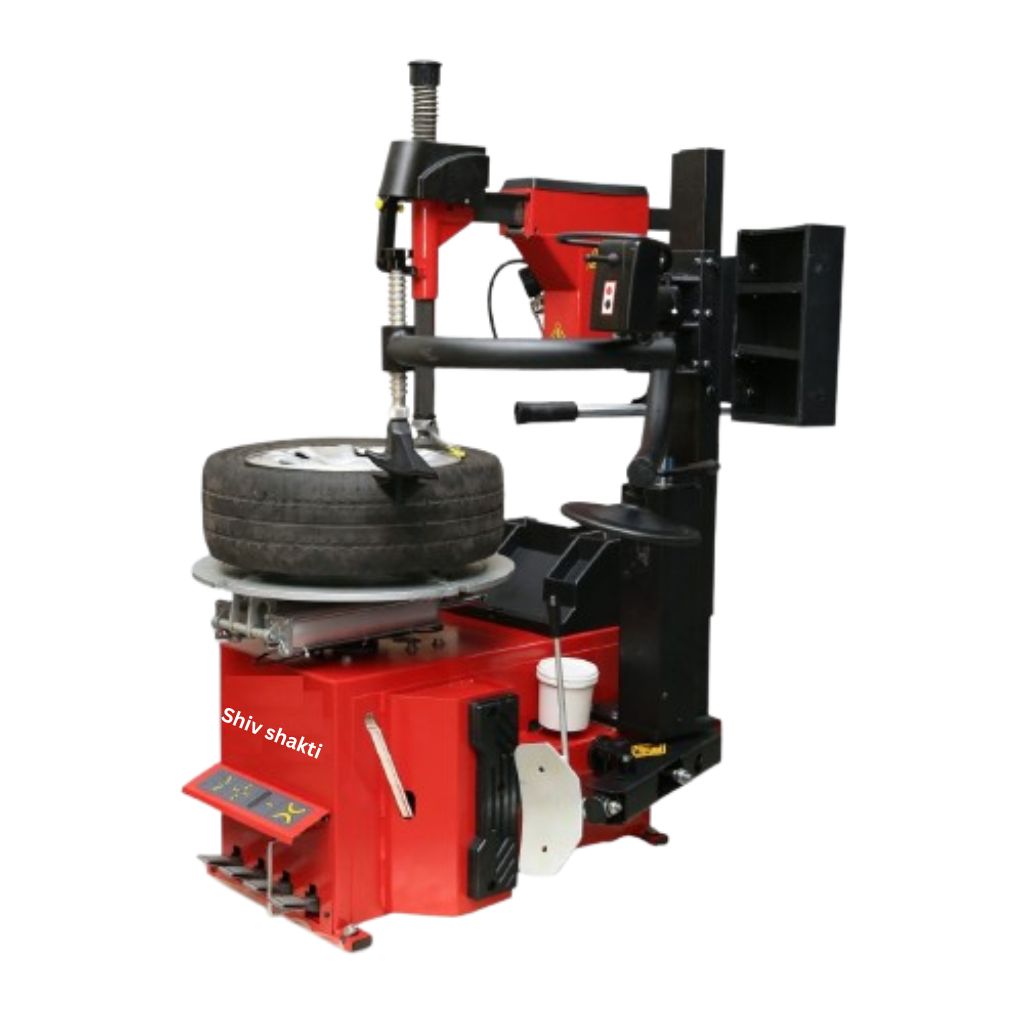
tyre changer maintenance

Tyre Business Idea
Uncategorized

Tyre Changer Buying Guide

Best Tyre Changer Buying Guide 2026: 21 Expert Tips to Choose the Perfect Machine for Your Workshop Introduction Investing in a tyre changer machine is one of the most important decisions for any automotive workshop, tyre shop, or vehicle service center. A high-quality tyre changer not only improves productivity but also ensures safe and damage-free tyre removal and installation. However, with so many models, features, and price ranges available, selecting the right machine can be confusing. That’s why this Tyre Changer Buying Guide has been created to help you make an informed decision. Whether you’re opening a new tyre shop, upgrading your existing garage, or expanding your automotive workshop, choosing the right tyre changer directly affects your business efficiency, customer satisfaction, and long-term profitability. A poorly selected machine can lead to slow operations, damaged alloy wheels, increased maintenance costs, and reduced technician productivity. This comprehensive Tyre Changer Buying Guide explains everything you need to know before purchasing a tyre changer machine. You’ll learn about different machine types, essential features, workshop requirements, and expert buying tips that will help you invest wisely. https://shivshaktigarage.com/tyre-changer-machine-manufacturer-in-india/ What is a Tyre Changer Machine? A tyre changer machine is specialized garage equipment designed to remove old tyres from wheel rims and install new tyres quickly, safely, and accurately. Modern tyre changers use pneumatic, hydraulic, and mechanical systems to reduce manual effort while protecting expensive alloy wheels from damage. Professional tyre changer machines are widely used in: Tyre Shops Car Service Centers Automobile Workshops Multi-Brand Garages Vehicle Dealerships Fleet Maintenance Centers A reliable tyre changer increases workshop productivity while delivering consistent service quality. Why You Need a Tyre Changer Buying Guide Purchasing a tyre changer is a long-term investment. Choosing the wrong machine can increase operating costs and reduce customer satisfaction. A professional Tyre Changer Buying Guide helps you: https://g.page/r/CXBa8k4gljxAEBM/review Understand different machine types. Compare important features. Select the right size and capacity. Avoid unnecessary expenses. Improve workshop efficiency. Increase return on investment. Choose equipment that supports future business growth. Benefits of Choosing the Right Tyre Changer Selecting the right machine provides advantages beyond simply changing tyres. Faster Service Modern tyre changers reduce the time required for tyre replacement, allowing technicians to serve more customers every day. Improved Customer Satisfaction Quick service with proper wheel protection increases customer confidence and encourages repeat business. Better Technician Productivity Automatic functions reduce manual effort, allowing technicians to work more comfortably and efficiently. Protection for Alloy Wheels Premium tyre changers include plastic protectors and precision mounting heads that help prevent scratches on alloy wheels. Lower Maintenance Costs High-quality machines generally require less frequent repairs and offer better long-term reliability. Types of Tyre Changer Machines Understanding the available machine types is one of the most important parts of this Tyre Changer Buying Guide. Semi-Automatic Tyre Changer Semi-automatic machines require some manual operation but are suitable for workshops with moderate workloads. Best For Small tyre shops Startup workshops Budget-conscious businesses https://shivshaktigarage.com/tyre-business-idea/ Advantages Affordable Easy to operate Low maintenance Compact design Limitations Slower than automatic models More manual effort required Fully Automatic Tyre Changer Fully automatic machines provide faster and more efficient tyre changing with minimal operator effort. Best For Busy workshops Premium service centers Multi-brand garages Advantages High productivity Faster operation Better wheel protection Reduced operator fatigue Tilt Back Tyre Changer Tilt back models automatically move the mounting column backward, making tyre installation easier. Ideal for: Medium-sized workshops High daily vehicle volume Alloy wheel servicing Leverless Tyre Changer Leverless technology minimizes the risk of wheel damage by eliminating the need for traditional tyre levers. Recommended for: Luxury cars Sports vehicles Premium alloy wheels High-value customers Run Flat Tyre Changer Run-flat tyres require specialized equipment due to their reinforced sidewalls. https://www.justdial.com/Delhi/Shiv-Shakti-Garage-Equipments-Vishnu-Garden/011PXX11-XX11-250718154737-U9U2_BZDET Choose this machine if your workshop frequently services: BMW Mercedes-Benz Audi Luxury SUVs Premium sedans Truck Tyre Changer Designed for commercial vehicles with larger and heavier wheels. Suitable for: Trucks Buses Agricultural vehicles Construction equipment Key Features to Look for in a Tyre Changer Every workshop has different requirements. This Tyre Changer Buying Guide recommends evaluating these features before purchasing. Rim Size Capacity Choose a machine capable of handling the wheel sizes you service most frequently. Examples: Passenger cars SUVs Light commercial vehicles Luxury vehicles A wider rim capacity offers greater flexibility as your business grows. https://shivshaktigarage.com/tyre-business-idea/ Clamping System A reliable clamping system ensures secure wheel positioning during tyre removal and installation. Look for: Strong grip Smooth movement Adjustable clamping Protective covers for alloy wheels Bead Breaker Power The bead breaker should provide enough force to separate stubborn tyre beads without damaging the rim. A powerful bead breaker improves efficiency when working with low-profile and high-performance tyres. Mounting Head Protection Machines equipped with nylon or composite mounting heads reduce the risk of scratching alloy wheels. This feature is essential for workshops servicing premium vehicles. https://shivshaktigarage.com/ Pneumatic Performance Ensure the machine delivers stable pneumatic operation with: Efficient air cylinders Quality valves Reliable pressure regulation Smooth pedal operation Build Quality Choose a machine with: Heavy-duty steel construction Corrosion-resistant finish Durable components Stable base frame A robust design ensures long-term reliability. https://shivshaktigarage.com/3d-wheel-alignment-machine/ Workshop Requirements Before Buying Before purchasing a machine, assess your workshop infrastructure. Available Space Ensure adequate space around the machine for safe operation and technician movement. Electrical Supply Verify that your workshop electrical system matches the machine’s voltage and power requirements. Air Compressor Capacity Most tyre changers require compressed air. Your compressor should provide: Stable pressure Adequate airflow Moisture-free air supply Floor Strength Install the machine on a level, solid concrete floor to ensure stability and safe operation. Questions to Ask Before Buying This Tyre Changer Buying Guide recommends asking these important questions: What types of vehicles will I service? Passenger cars, SUVs, luxury vehicles, or commercial vehicles? How many tyres will I change each day? Daily workload helps determine whether a semi-automatic or fully automatic machine is more suitable. Do I need run-flat tyre capability? If you regularly service premium vehicles, this feature is highly recommended. Is after-sales support available? Choose a supplier that offers installation, training, spare parts,

Tyre Business Idea
Uncategorized

Tyre Changer Installation

Best Tyre Changer Installation Guide 2026: 21 Expert Steps for Safe & Professional Setup Introduction A tyre changer machine is one of the most essential pieces of equipment in any tyre shop, automobile workshop, or vehicle service centre. It allows technicians to remove and install tyres quickly, safely, and accurately while protecting expensive alloy wheels from damage. However, even the best tyre changer cannot perform efficiently without proper installation. This is why Tyre Changer Installation is a critical step in ensuring long-term performance, operator safety, and maximum productivity. A correctly completed Tyre Changer Installation ensures that the machine operates smoothly, maintains accurate clamping force, and minimizes vibration during operation. On the other hand, poor installation can lead to machine instability, excessive wear, frequent breakdowns, inaccurate operation, and safety risks for technicians. Whether you are setting up a new tyre shop, expanding your existing garage, or replacing an old machine, following a professional Tyre Changer Installation process will help you get the best return on your investment. In this comprehensive Tyre Changer Installation guide, you’ll learn everything from site preparation and machine positioning to electrical connections, air supply requirements, safety precautions, and professional installation tips. https://shivshaktigarage.com/tyre-changer-machine-manufacturer-in-india/ What is Tyre Changer Installation? Tyre Changer Installation is the process of properly assembling, positioning, connecting, testing, and calibrating a tyre changer machine before it is put into regular operation. A professional installation involves: Selecting the correct installation location Preparing the workshop floor Positioning the machine correctly Securing the machine to the floor Connecting the compressed air system Connecting the electrical supply Testing all machine functions Calibrating moving components Verifying safety features Proper Tyre Changer Installation ensures that the machine operates efficiently while protecting both technicians and customer vehicles. https://g.page/r/CXBa8k4gljxAEBM/review Why Proper Tyre Changer Installation Matters Many workshop owners invest in high-quality equipment but overlook the importance of installation. Incorrect installation can reduce machine life and increase maintenance costs. https://www.indiamart.com/shivshaktigarageequipments/profile.html?srsltid=AfmBOoqD0PV5wD6hWOvnmd8t–Ulq3yHYx6DQW-r0eqJH6e3fk6HrBLT Improves Machine Stability A securely installed tyre changer remains stable during heavy-duty operation, reducing vibration and improving precision. Enhances Operator Safety Professional Tyre Changer Installation minimizes risks caused by unstable equipment, loose electrical connections, or improper air supply. Extends Machine Life Correct installation reduces unnecessary stress on bearings, pneumatic components, and the machine frame, helping extend service life. Improves Productivity A properly installed machine operates smoothly, allowing technicians to complete tyre replacement jobs more efficiently. Protects Alloy Wheels Correct alignment of the mounting head and clamping system reduces the risk of damaging expensive alloy wheels. Benefits of Professional Tyre Changer Installation Choosing professional installation offers several long-term advantages. https://shivshaktigarage.com/best-tyre-changer-in-india/ Reliable Performance Correct setup ensures every machine function operates as intended from the first day. Lower Maintenance Costs Professional installation helps prevent issues caused by misalignment, loose fasteners, or incorrect air pressure. Faster Workshop Operations Properly installed equipment allows technicians to work efficiently, increasing daily service capacity. Better Customer Satisfaction Smooth machine operation leads to faster service and improved protection for customer wheels, enhancing trust and repeat business. Workshop Requirements Before Tyre Changer Installation Before beginning the Tyre Changer Installation, evaluate your workshop to ensure it meets the machine’s operating requirements. Adequate Floor Space Allow sufficient clearance around the machine so technicians can safely operate it from all sides. Recommended considerations: Easy wheel handling Comfortable technician movement Space for accessories Future maintenance access https://shivshaktigarage.com/tyre-shop-setup-cost/ Strong Concrete Floor A tyre changer should be installed on a solid, level concrete floor capable of supporting the machine’s weight and resisting vibration. Avoid: Uneven flooring Weak concrete Wooden platforms Slippery surfaces Proper Electrical Supply Most tyre changers require a stable electrical connection. Before installation, verify: https://shivshaktigarage.com/complete-garage-equipment-package/ Correct voltage Proper grounding Suitable circuit protection Reliable power supply Electrical work should always comply with local safety standards. Compressed Air Supply Most tyre changer machines operate using compressed air. Ensure your workshop has: https://shivshaktigarage.com/new-garage-setup-guide/ Adequate air pressure Sufficient airflow Moisture-free compressed air Proper air filtration A high-quality air compressor contributes to consistent machine performance. Tools Required for Tyre Changer Installation Preparing the necessary tools before starting the installation saves time and ensures a smooth setup process. Basic Installation Tools Typical tools include: Socket wrench set Spanner set Screwdrivers Adjustable wrench Spirit level Measuring tape Hammer drill Concrete anchor bolts Torque wrench Safety gloves Safety glasses Using the correct tools improves installation accuracy and safety. https://www.facebook.com/profile.php?id=61579407685280 Choosing the Best Installation Location Selecting the right location is one of the most important steps in Tyre Changer Installation. Easy Vehicle Access Position the machine where vehicles can be moved in and out without disrupting workshop operations. Good Lighting Proper lighting improves technician visibility and helps reduce installation and operating errors. Ventilation Maintain good airflow within the workshop to create a comfortable working environment and protect equipment from excessive heat and moisture. Accessibility Leave enough space around the machine for routine maintenance, cleaning, and future servicing. Safety Precautions Before Installation Safety should always be the highest priority during Tyre Changer Installation. Read the Installation Manual Carefully review the manufacturer’s instructions before assembling or connecting the machine. Wear Personal Protective Equipment (PPE) Recommended PPE includes: Safety glasses Protective gloves Steel-toe safety shoes Hearing protection when drilling concrete Disconnect Power During Setup Never connect electrical power until the machine has been fully assembled and inspected. Verify Air Supply Ensure the compressed air system is switched off before connecting hoses and fittings. Check Machine Components Before installation, inspect the machine for: Shipping damage Missing parts Loose hardware Damaged hoses Bent components Report any issues before proceeding with installation. Preparing the Installation Area Proper preparation improves installation quality and helps prevent future operational issues. Clean the Floor Remove: Dust Oil Grease Loose debris Construction materials A clean floor allows accurate positioning and secure anchoring. Mark the Installation Position Use the machine base as a template to mark anchor bolt locations accurately. Double-check measurements before drilling. Check Floor Level Use a spirit level to confirm the installation surface is perfectly level. Uneven flooring may affect machine stability and operational accuracy. Common Mistakes Before Installation Avoid these mistakes to ensure a successful Tyre Changer Installation. Mistake 1 Installing the machine

Tyre Business Idea
Uncategorized

Tyre changer Maintenance

Tyre Changer Maintenance: The Complete Guide to Improve Machine Performance and Extend Equipment Life Introduction A tyre changer machine is one of the most valuable pieces of equipment in any automotive workshop, tyre shop, or service centre. It helps technicians remove and install tyres quickly, safely, and accurately, reducing manual effort while improving productivity. However, even the most advanced tyre changer can experience reduced performance if it is not maintained properly. That is why Tyre Changer Maintenance is essential for every garage owner who wants to maximize machine life, reduce downtime, and provide high-quality service to customers. https://shivshaktigarage.com/tyre-changer-machine-manufacturer-in-india/ Regular Tyre Changer Maintenance is not just about cleaning the machine. It includes inspecting mechanical components, lubricating moving parts, checking the pneumatic system, tightening bolts, inspecting electrical connections, and replacing worn components before they fail. A properly maintained tyre changer works more efficiently, protects expensive alloy wheels from damage, and minimizes unexpected repair costs. Whether you own a small tyre shop or a large multi-bay workshop, following a proper maintenance routine will help you improve operational efficiency and increase customer satisfaction. This comprehensive guide explains everything you need to know about Tyre Changer Maintenance, from daily inspections to preventive maintenance schedules and safety practices. What is Tyre Changer Maintenance? Tyre Changer Maintenance refers to the routine inspection, cleaning, lubrication, adjustment, and servicing of a tyre changer machine to ensure it operates safely and efficiently. Preventive maintenance helps detect small issues before they become major problems, reducing costly repairs and unexpected downtime. https://g.page/r/CXBa8k4gljxAEBM/review A complete maintenance program includes: Cleaning the machine after daily use Inspecting moving parts Lubricating sliding and rotating components Checking air pressure and pneumatic lines Examining electrical wiring and switches Tightening loose bolts and fasteners Replacing worn or damaged components Testing machine operation before use By following these practices, workshops can keep their equipment in excellent condition for many years. Why is Tyre Changer Maintenance Important? Many workshop owners only pay attention to their machines when they stop working. This approach often leads to expensive repairs, delays in customer service, and lost revenue. https://shivshaktigarage.com/tyre-changer-buying-guide/ Proper Tyre Changer Maintenance offers several important benefits. Improves Machine Performance A clean and well-maintained machine performs tyre mounting and demounting more smoothly. Technicians can complete jobs faster while maintaining high service quality. Increases Equipment Life Routine maintenance reduces wear on critical components, helping the machine last significantly longer and delaying the need for replacement.https://www.indiamart.com/shivshaktigarageequipments/profile.html?srsltid=AfmBOoqzK09-3JPNRLkYOKo58eSzyZe0SIWSiFhhc-igX8QG5fORAyuK Reduces Repair Costs Minor issues such as loose bolts, worn hoses, or insufficient lubrication are inexpensive to fix. Ignoring them can result in costly breakdowns. Protects Alloy Wheels Modern vehicles often use expensive alloy wheels. A properly adjusted tyre changer minimizes the risk of scratches and rim damage. Improves Workshop Productivity Reliable equipment reduces downtime, allowing technicians to serve more customers each day. Enhances Workplace Safety Regular inspections help identify damaged parts, air leaks, and electrical issues before they become safety hazards. Key Components That Require Regular Maintenance Understanding the major parts of a tyre changer makes maintenance easier and more effective. Turntable The turntable rotates the wheel during tyre removal and installation. https://shivshaktigarage.com/tyre-changer-maintenance/ Maintenance includes: Cleaning dirt and tyre debris Lubricating rotating components Checking for unusual movement Inspecting clamps for wear Mounting Head The mounting head guides the tyre bead over the wheel rim. Inspect for: Wear Scratches Proper alignment Secure mounting A damaged mounting head can scratch expensive alloy wheels. Clamping System Wheel clamps secure the wheel during operation. Maintenance includes: Cleaning clamp surfaces Lubricating sliding mechanisms Checking clamping force Inspecting for cracks or excessive wear Bead Breaker The bead breaker separates the tyre bead from the rim. Regular inspection should include: Pivot points Cylinder movement Rubber protection pads Hydraulic or pneumatic operation Pneumatic Cylinders Compressed air powers many tyre changer functions. Check regularly for: Air leaks Smooth cylinder movement Damaged seals Loose fittings Air Filter Regulator Lubricator (FRL Unit) The FRL unit ensures clean, regulated, and lubricated compressed air reaches the machine. Inspect for: Water accumulation Oil level Filter condition Air pressure settings Daily Tyre Changer Maintenance Checklist Daily maintenance requires only a few minutes but can prevent major mechanical problems. Clean the Machine Remove: Dust Rubber particles Grease Dirt Metal shavings Keeping the machine clean prevents premature wear. https://www.justdial.com/Delhi/Shiv-Shakti-Garage-Equipments-Vishnu-Garden/011PXX11-XX11-250718154737-U9U2_BZDET Check Air Pressure Verify that compressed air pressure matches the manufacturer’s recommendations. Low or excessive pressure can affect machine performance. Inspect Air Hoses Look for: Cracks Air leaks Loose fittings Damaged connectors Replace damaged hoses immediately. Inspect Electrical Components Before starting work: Check the power cable. Ensure switches operate correctly. Look for damaged insulation. Verify emergency stop functionality. Test Machine Operation Run the machine without a wheel to confirm: https://shivshaktigarage.com/semi-automatic-tyre-changer/ Smooth rotation Proper pedal response Correct clamp movement Normal operating sounds Any unusual noise should be investigated before servicing customer vehicles. Weekly Tyre Changer Maintenance Checklist Weekly inspections provide a deeper assessment of the machine’s condition. Lubricate Moving Parts Apply the recommended lubricant to: Sliding rails Pivot points Rotating joints Clamping mechanisms Avoid over-lubrication, which can attract dust and debris. Tighten Fasteners Inspect and tighten: Mounting bolts Frame bolts Turntable hardware Cylinder fasteners Protective covers Loose components can cause vibration and reduce accuracy. https://shivshaktigarage.com/new-garage-setup-guide/ Check Pedal Mechanism Foot pedals should move freely without sticking or excessive resistance. Inspect: Springs Linkages Return action Wear points Inspect Rubber Protectors Rubber protectors prevent metal-to-metal contact with alloy wheels. Replace protectors that are: Cracked Torn Missing Excessively worn Safety Precautions During Tyre Changer Maintenance Safety should always be your top priority when performing maintenance. https://shivshaktigarage.com/semi-automatic-tyre-changer/ Disconnect Power Supply Turn off the machine and disconnect electrical power before inspecting or servicing any components. Release Air Pressure Always release compressed air before working on pneumatic systems to prevent accidental movement. Wear Personal Protective Equipment (PPE) Recommended safety equipment includes: Safety glasses Protective gloves Steel-toe shoes Hearing protection (if required) https://shivshaktigarage.com/tyre-changer-installation/ Use Genuine Spare Parts Using high-quality replacement parts helps maintain machine performance, safety, and reliability. Follow the Manufacturer’s Guidelines Always refer to the machine’s service manual for maintenance intervals, lubrication points, and replacement procedures. Benefits of Preventive Tyre Changer Maintenance A preventive

Garage Equipment Maintenance
Garage Equipment Maintenance, 3D Wheel Alignment Machine in Delhi, auto workshop lift, Automobile Garage Machinery, automobile service equipment, Automobile Workshop Business Plan, Automobile Workshop Equipments, automobile workshop lift, automotive lift equipment, Automotive Machines, Automotive Paint Booth, Best 3D Wheel Alignment Machine for Workshop, Best Car Paint Booth, Car Service Centre Guide, Car Service Equipment, car service lift price, Car Service Station Machines, car workshop lift equipment, car workshop lift price, commercial two post lift, electro hydraulic two post lift, heavy duty car lift, How to Start a Car Work Shop, Uncategorized, Wheel Service Equipment, Workshop investment Cost, Workshop Layout Design, workshop lifting machine, workshop machinery India

Garage Equipment Maintenance

Garage Equipment Maintenance: The Complete Guide to Increase Equipment Life, Safety & Workshop Profitability Introduction In today’s competitive automotive industry, investing in high-quality garage equipment is only the first step toward building a successful workshop. Whether you own a small car service center, a multi-brand workshop, or a large automobile dealership, proper Garage Equipment Maintenance plays a critical role in ensuring smooth operations, worker safety, and long-term profitability. Many workshop owners spend lakhs of rupees on equipment such as two-post lifts, wheel alignment machines, wheel balancers, tyre changers, hydraulic washing lifts, air compressors, paint booths, and other automotive workshop tools. However, without regular maintenance, even the most advanced equipment can experience breakdowns, reduced efficiency, and costly repairs. Proper Garage Equipment Maintenance not only increases the lifespan of your machinery but also reduces downtime, improves workshop productivity, and creates a safer working environment for technicians and customers.https://g.page/r/CXBa8k4gljxAEBM/review In this detailed guide, we will explore everything you need to know about Garage Equipment Maintenance, including maintenance schedules, best practices, common mistakes, troubleshooting tips, and preventive care strategies that can help your workshop achieve maximum performance. Why Garage Equipment Maintenance Is Important Every piece of workshop machinery works under heavy loads, continuous usage, dust exposure, grease accumulation, and environmental stress. Over time, these factors can affect the performance of equipment if maintenance is ignored. Benefits of Regular Garage Equipment Maintenance 1. Increased Equipment Lifespan Regular servicing ensures that mechanical components operate efficiently and experience less wear and tear. 2. Improved Safety Faulty garage equipment can lead to accidents, injuries, and costly liabilities. Maintenance helps identify potential issues before they become dangerous. https://shivshaktigarage.com/garage-equipment-manufacturers-in-india/ 3. Reduced Downtime Unexpected machine failures can disrupt daily workshop operations. Preventive maintenance minimizes breakdowns. 4. Better Productivity Well-maintained equipment operates faster and more accurately, helping technicians complete jobs efficiently. 5. Lower Repair Costs Replacing small components is far cheaper than repairing major equipment failures. https://shivshaktigarage.com/complete-garage-equipment-package/ 6. Higher Customer Satisfaction When equipment works accurately, customers receive better service, leading to positive reviews and repeat business. Common Garage Equipment That Requires Regular Maintenance Every automotive workshop contains multiple machines that require periodic inspection and servicing. Vehicle Lifts Vehicle lifts are among the most heavily used pieces of garage equipment. https://shivshaktigarage.com/new-garage-setup-guide/ Types of Lifts Two Post Lift Four Post Lift Scissor Lift Hydraulic Washing Lift In-Ground Lift Maintenance Requirements Daily Inspection Check hydraulic oil leaks. Inspect lifting arms. Verify safety locks. Examine cables and chains. Weekly Inspection Lubricate moving parts. Clean lifting platforms. Check hydraulic cylinders. Monthly Inspection Tighten bolts and fasteners. Inspect electrical connections. Verify lifting capacity performance. Garage Equipment Maintenance for Wheel Alignment Machines Wheel alignment machines are precision equipment that require careful maintenance. https://shivshaktigarage.com/complete-car-workshop-setup-in-india/ Daily Maintenance Clean Sensors and Targets Dust accumulation can affect measurement accuracy. Check Camera Calibration Calibration ensures accurate alignment readings. Inspect Computer Connections Loose connections can create software communication issues. https://shivshaktigarage.com/rft-tyre-changer/ Weekly Maintenance Update Software Manufacturers regularly release software updates to improve performance. Inspect Alignment Clamps Damaged clamps can cause inaccurate readings. Monthly Maintenance Complete System Calibration Calibration ensures precise alignment measurements and customer satisfaction. Garage Equipment Maintenance for Wheel Balancers Wheel balancers are essential for tyre shops and service centers. https://shivshaktigarage.com/complete-garage-equipment-package/ Daily Care Clean Spindle Shaft Remove dirt and debris after each working day. https://shivshaktigarage.com/tyre-changer-installation/ Check Cone Condition Damaged cones affect balancing accuracy. Weekly Care Verify Calibration Run calibration procedures according to manufacturer guidelines. https://shivshaktigarage.com/automobile-workshop-equipments/ Inspect Display Unit Check buttons, touchscreens, and display functionality. Monthly Care Lubricate Moving Components Proper lubrication reduces friction and extends machine life. Garage Equipment Maintenance for Tyre Changers Tyre changers experience constant mechanical stress. https://www.justdial.com/Delhi/Shiv-Shakti-Garage-Equipments-Vishnu-Garden/011PXX11-XX11-250718154737-U9U2_BZDET Daily Maintenance Checklist Clean Mounting Head Remove tyre residue and dirt. Check Air Pressure Ensure consistent pneumatic operation. Inspect Clamps Damaged clamps can damage customer wheels. Weekly Maintenance Checklist Lubricate Moving Parts Apply recommended lubricant to sliding components. https://www.instagram.com/shiv_shakti7799/ Check Bead Breaker Operation Ensure smooth and safe operation. Monthly Maintenance Checklist Inspect Pneumatic Lines Look for leaks and worn hoses. Verify Safety Systems Confirm all safety controls are functioning properly. https://www.indiamart.com/shivshaktigarageequipments/profile.html?srsltid=AfmBOopp3ddHwGH-tIsloL5wYN6xURTtcQ-0W0fMqrIxs4aqBDV0IDVc Hydraulic Washing Lift Maintenance Guide Hydraulic washing lifts are widely used in vehicle washing centers. Importance of Maintenance Poor maintenance can lead to hydraulic failure, oil leakage, and unsafe lifting conditions. Daily Maintenance Check Hydraulic Oil Levels Low oil levels can affect lifting performance. https://www.exportersindia.com/shiv-shakti-garage-equipments/ Inspect Oil Leakage Even minor leaks should be addressed immediately. Clean Lift Surface Dirt and grease accumulation can increase corrosion risk. Weekly Maintenance Inspect Hydraulic Hoses Look for cracks and wear. Check Cylinder Performance Ensure smooth lifting and lowering. Monthly Maintenance Replace Damaged Seals Worn seals often cause oil leakage. Check Structural Integrity Inspect welds, supports, and lifting platforms. Air Compressor Maintenance Air compressors power many workshop tools and equipment. Daily Inspection Drain Moisture Water accumulation can damage compressor components. Monitor Pressure Levels Ensure pressure remains within recommended limits. https://shivshaktigarage.com/car-paint-booth-manufacturer-in-india/ Weekly Maintenance Check Air Filters Dirty filters reduce compressor efficiency. Inspect Belt Condition Loose or worn belts affect performance. Monthly Maintenance Change Oil Follow manufacturer recommendations. Inspect Safety Valves Proper valve operation ensures workshop safety. Paint Booth Maintenance Paint booths require strict maintenance to maintain finishing quality. Daily Maintenance Clean Floors Dust-free environments improve paint quality. Check Airflow Proper airflow prevents contamination. Weekly Maintenance Clean Intake Filters Dirty filters reduce air circulation. Inspect Lighting Adequate lighting ensures painting accuracy. Monthly Maintenance Replace Exhaust Filters Filter replacement maintains proper ventilation. Check Fan Performance Verify efficient airflow throughout the booth.https://shivshaktigarage.com/garage-machinery-supplier/ Preventive Maintenance vs Corrective Maintenance Understanding maintenance strategies is important for workshop owners. Preventive Maintenance Preventive maintenance involves scheduled inspections and servicing before problems occur. Advantages Lower repair costs Increased equipment life Improved safety Reduced downtime Corrective Maintenance Corrective maintenance is performed after equipment failure. Disadvantages Expensive repairs Lost productivity Unexpected downtime Customer dissatisfaction For most workshops, preventive Garage Equipment Maintenance is the smarter and more profitable approach. Complete Garage Equipment Maintenance Checklist A structured maintenance checklist helps workshop owners monitor equipment condition and avoid costly failures. The following checklist can be implemented in any automotive workshop. Daily Maintenance Checklist Vehicle Lifts Check hydraulic oil leakage. Inspect safety locks. Verify lift arm

Scroll to Top