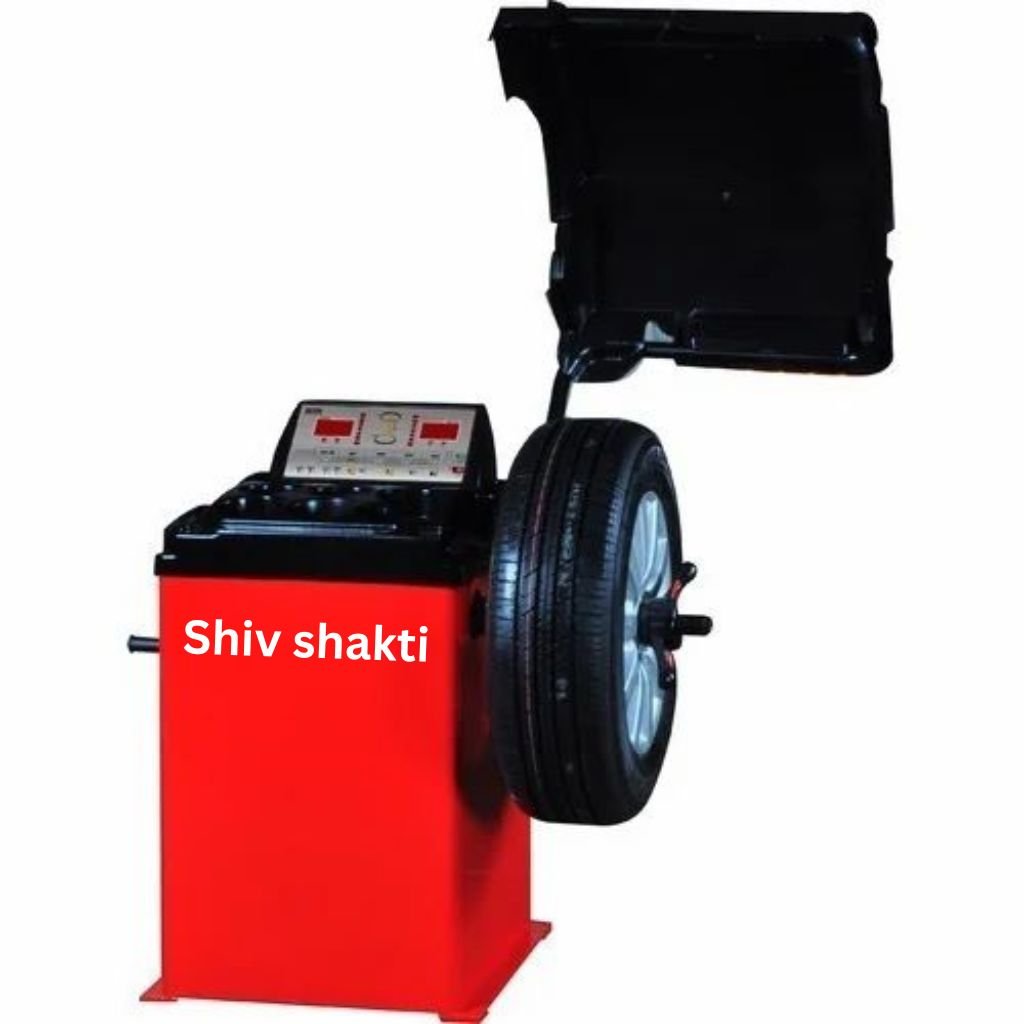
Wheel balancer Maintenance – The Complete Guide for Better Accuracy and Longer Machine Life
A wheel balancer is one of the most important machines in any tyre shop, automobile workshop, or service center. It ensures that every wheel rotates evenly by detecting and correcting weight imbalances. However, even the most advanced balancing machine cannot deliver accurate results without proper Wheel balancer Maintenance.
Regular Wheel balancer Maintenance not only improves balancing accuracy but also extends the life of the machine, reduces repair costs, minimizes downtime, and enhances customer satisfaction. Whether you own a small garage or a large automotive workshop, maintaining your wheel balancer should be part of your daily routine.https://shivshaktigarage.com/wheel-balancing-benefits/
Many workshop owners invest in premium wheel balancing equipment but overlook routine maintenance. Dust accumulation, improper calibration, worn accessories, loose electrical connections, and neglected cleaning can all reduce the machine’s performance over time. A simple maintenance schedule can prevent these issues and keep your equipment operating like new.
In this complete guide, you’ll learn everything about Wheel balancer Maintenance, including daily inspections, weekly servicing, cleaning procedures, calibration tips, preventive maintenance, and expert advice to maximize your investment.
H2: What is Wheel balancer Maintenance?
Wheel balancer Maintenance refers to the routine inspection, cleaning, calibration, lubrication, and servicing of a wheel balancing machine to ensure it continues to provide precise and reliable balancing results. https://www.tradeindia.com/shiv-shakti-garage-equipments-163756341/
A well-maintained wheel balancer delivers:
- Accurate balancing measurements
- Faster service times
- Consistent performance
- Reduced machine breakdowns
- Longer equipment life
- Lower maintenance costs
- Better customer satisfaction
Modern digital wheel balancers contain precision sensors, electronic circuits, rotating shafts, measuring arms, and software systems. Each of these components requires regular care to maintain optimal performance. https://shivshaktigarage.com/digital-wheel-balancer/
Ignoring Wheel balancer Maintenance can lead to incorrect balancing readings, customer complaints, premature tyre wear, steering vibrations, and expensive repairs.
H2: Why Wheel balancer Maintenance is Important
Proper Wheel balancer Maintenance is essential because wheel balancing accuracy directly affects vehicle performance and workshop credibility. https://shivshaktigarage.com/wheel-balancer-machine-manufacturer-in-india/
H3: Improves Balancing Accuracy
Even small amounts of dirt or wear can affect measurement precision. Regular maintenance ensures every wheel is balanced accurately.
H3: Extends Machine Life
Routine cleaning and inspection prevent unnecessary wear on moving components, helping the machine operate efficiently for many years.https://shivshaktigarage.com/common-balancing-problems/
H3: Reduces Repair Costs
Preventive Wheel balancer Maintenance helps identify small issues before they become major and costly repairs.
H3: Increases Workshop Productivity
A machine in excellent condition performs balancing jobs quickly and consistently, allowing technicians to service more vehicles each day.
H3: Builds Customer Trust
Accurate wheel balancing improves ride comfort and reduces vibrations, leading to satisfied customers who are more likely to return and recommend your workshop.
H3: Protects Other Vehicle Components
Properly balanced wheels reduce stress on:
- Suspension systems
- Wheel bearings
- Steering components
- Shock absorbers
- Tyres
Maintaining your wheel balancer ensures these benefits are consistently delivered to customers.
H2: How a Wheel Balancer Works
Understanding the working principle helps explain why Wheel balancer Maintenance is so important.
H3: Step 1 – Wheel Mounting
The technician mounts the wheel using the correct cone and locking nut. Proper centering is essential for accurate balancing.
H3: Step 2 – Entering Wheel Measurements
The machine records information such as:
- Wheel diameter
- Wheel width
- Offset distance
Many modern wheel balancers automatically measure these dimensions.
H3: Step 3 – Wheel Rotation
The machine spins the wheel at a controlled speed while precision sensors monitor vibration and imbalance.
H3: Step 4 – Digital Analysis
Internal software calculates:
- Left-side imbalance
- Right-side imbalance
- Required balancing weight
- Exact weight placement
H3: Step 5 – Weight Installation
The technician installs balancing weights where indicated by the machine. https://shivshaktigarage.com/best-wheel-balancer-machine/
H3: Step 6 – Verification
The wheel is spun again to verify that the imbalance has been eliminated.
If any component involved in this process is dirty, loose, or worn, the machine may produce incorrect readings. This is why consistent Wheel balancer Maintenance is essential.
H2: Main Components That Require Regular Wheel balancer Maintenance
Every wheel balancer consists of several precision components that should be inspected regularly.
H3: Main Shaft
The spindle or shaft must remain clean and free from rust, dirt, and damage. A contaminated shaft can prevent proper wheel centering.
Maintenance Tips:
- Wipe after every use.
- Remove rust immediately.
- Apply a light protective lubricant if recommended by the manufacturer.
H3: Mounting Cones
Cones are responsible for centering the wheel correctly.
Inspect them for:
- Wear
- Cracks
- Deformation
- Dirt buildup
Replace damaged cones immediately to maintain balancing accuracy.https://shivshaktigarage.com/workshop-wheel-balancing-setup/
H3: Quick Lock Nut
The locking nut secures the wheel during operation.
Regularly inspect for:
- Smooth operation
- Thread damage
- Proper tightening
- Wear on locking surfaces
H3: Measuring Arm
Automatic measuring arms should move smoothly and provide accurate readings. https://g.page/r/CXBa8k4gljxAEBM/review
Check for:
- Free movement
- Calibration accuracy
- Sensor cleanliness
- Physical damage
H3: Display Screen
Keep the digital display clean and easy to read.
Avoid:
- Excessive dust
- Oil contamination
- Sharp cleaning tools
- Harsh chemicals
H3: Sensors
Sensors are the heart of the machine.
They should always remain:
- Clean
- Properly calibrated
- Securely mounted
- Free from moisture
H3: Electrical Connections
Inspect cables and connectors for:
- Loose wiring
- Frayed insulation
- Corrosion
- Damaged plugs
Reliable electrical connections help ensure accurate sensor communication.
Daily Wheel balancer Maintenance Checklist
Daily Wheel balancer Maintenance takes only a few minutes but can significantly improve machine performance.
Clean the Machine
Before starting work each day:
- Remove dust
- Wipe grease
- Clean the control panel
- Remove metal particles
- Keep ventilation openings clear
A clean machine performs more consistently.
Inspect the Shaft
Check that the spindle is:
- Clean
- Smooth
- Rust-free
- Free from scratches
Even minor contamination can affect wheel centering.
Examine the Cones
Ensure every cone is: https://www.indiamart.com/shivshaktigarageequipments/profile.html?srsltid=AfmBOopySTZNEICdVD7ghMQ5x2hfR2YGsPoZ4Am5Cr4Tq9BnSPsh7j-7
- Clean
- Undamaged
- Properly stored
- Appropriate for the wheel being balanced
Check the Locking Nut
Confirm that:
- Threads are clean
- Nut tightens correctly
- No excessive wear is present
Verify Display Operation
Ensure the display: https://shivshaktigarage.com/workshop-wheel-balancing-setup/
- Powers on correctly
- Shows accurate information
- Has no error messages
- Responds properly to controls
Inspect the Work Area
A clean workspace supports better Wheel balancer Maintenance.
Remove:
- Loose balancing weights
- Dirt
- Tyre debris
- Oil spills
- Unused tools
A clutter-free environment improves both safety and efficiency.
Weekly Wheel balancer Maintenance Checklist
Weekly maintenance goes beyond daily cleaning and focuses on preventive care.
Inspect Fasteners
Check that all bolts, nuts, and mounting hardware are tight and secure.
Loose fasteners can lead to vibration and inaccurate balancing.
Clean Internal Areas
Open accessible service panels (following manufacturer guidelines) and remove accumulated dust from non-sensitive areas.
Never use excessive air pressure directly on delicate electronic components unless recommended.
Check Measuring Accuracy
Perform a test balance using a known wheel or calibration procedure to confirm consistent readings.
If results vary, schedule calibration before continuing customer work.
Inspect Electrical Components
Examine:
- Power cable
- Switches
- Connectors
- Fuses
- Grounding points
Replace damaged components immediately.
Organize Accessories
Store all accessories properly:
- Cones
- Spacers
- Lock nuts
- Wheel weight pliers
- Calibration weights
Proper storage prevents damage and makes daily operation more efficient.
Benefits of Regular Wheel balancer Maintenance
A consistent Wheel balancer Maintenance routine delivers measurable benefits for your workshop.
Greater Measurement Accuracy
Clean, calibrated equipment provides reliable balancing results every time.
Reduced Downtime
Preventive maintenance minimizes unexpected machine failures and service interruptions.
H3: Lower Operating Costs
Routine inspections help avoid expensive emergency repairs and extend the lifespan of components.
Increased Customer Satisfaction
Customers notice smoother vehicle performance after accurate balancing, increasing trust in your workshop.
Better Return on Investment
A well-maintained wheel balancer lasts longer, performs better, and continues generating revenue with fewer maintenance expenses.
Early Warning Signs That Your Wheel Balancer Needs Maintenance
Recognizing issues early can prevent costly repairs.
Watch for these warning signs:
- Inconsistent balancing results
- Frequent recalibration requirements
- Unusual noises during wheel rotation
- Slow machine response
- Error codes on the display
- Difficulty securing wheels
- Excessive vibration during operation
- Worn or damaged cones
- Loose locking mechanisms
- Display or sensor malfunctions
Addressing these symptoms promptly is a key part of effective Wheel balancer Maintenance
Monthly Wheel balancer Maintenance Schedule
While daily and weekly inspections help keep your machine clean and operational, a monthly Wheel balancer Maintenance routine ensures that every critical component continues to perform accurately over the long term. Monthly maintenance is especially important for busy workshops that balance dozens of wheels every day. https://shivshaktigarage.com/wheel-balancer-buying-guide/
A detailed monthly inspection can identify hidden issues before they become expensive repairs.
Perform Machine Calibration
Calibration is one of the most important parts of Wheel balancer Maintenance. Even the most advanced machine can gradually lose accuracy due to continuous use, vibration, or accidental impacts.
Why Calibration Matters
Proper calibration ensures:
- Accurate balancing readings
- Correct weight placement
- Reduced customer complaints
- Professional service quality
- Longer machine life
Always follow the manufacturer’s calibration procedure or use an approved calibration weight.
Inspect the Spindle Assembly
The spindle is responsible for holding the wheel perfectly centered during balancing.
During monthly inspection:
- Check for scratches
- Remove rust
- Clean thoroughly
- Ensure smooth rotation
- Inspect for excessive wear
A damaged spindle directly affects balancing accuracy.https://shivshaktigarage.com/wheel-balancer-price/
Examine Wheel Adapters and Cones
Wheel adapters experience constant use.
Inspect for:
- Surface wear
- Cracks
- Bent edges
- Improper fit
- Dirt buildup
Using worn adapters often causes incorrect balancing results.
Inspect Measuring Arms
Automatic measuring arms should operate smoothly.
Verify:
- Proper movement
- Accurate measurements
- Sensor response
- No physical damage
If measurements appear inconsistent, recalibration may be required.
Clean Internal Components
Dust and tyre particles gradually collect inside the machine.
Remove accumulated debris from:
- Cooling vents
- Motor housing
- Internal compartments
- Fan openings
Always disconnect power before performing internal cleaning.
Annual Wheel balancer Maintenance Plan
Annual servicing should be more comprehensive than routine maintenance.
Many professional workshops schedule annual preventive maintenance to maximize machine performance and reliability.
Complete System Inspection
Inspect every major component including:
- Electric motor
- Main shaft
- Sensors
- Circuit boards
- Wiring
- Display unit
- Bearings
- Mounting hardware
Replace Worn Components
Do not wait for complete failure.
Replace worn:
- Cones
- Lock nuts
- Springs
- Protective covers
- Rubber supports
- Damaged cables
Preventive replacement minimizes downtime.
Software Updates
Modern digital balancing machines may include updated software.
Latest software versions often provide:
- Improved balancing accuracy
- Faster processing
- Bug fixes
- Enhanced operating modes
- Better diagnostic functions
Professional Inspection
Have an authorized technician inspect the machine annually.
Professional servicing helps maintain factory-level performance and may be required to preserve warranty coverage.
Wheel balancer Calibration Guide
Calibration is one of the most critical parts of Wheel balancer Maintenance.
Without proper calibration, even a premium machine can produce inaccurate balancing results.
When Should You Calibrate?
Calibration is recommended: https://www.justdial.com/Delhi/Shiv-Shakti-Garage-Equipments-Vishnu-Garden/011PXX11-XX11-250718154737-U9U2_BZDET
- After installation
- After transportation
- Following major repairs
- If inaccurate readings appear
- According to manufacturer recommendations
- After replacing sensors
- At regular service intervals
Benefits of Proper Calibration
Proper calibration provides:
- Greater balancing accuracy
- Faster operation
- Lower repeat work
- Better customer satisfaction
- Longer equipment life
Common Wheel Balancer Problems
Despite routine Wheel balancer Maintenance, occasional problems may occur.
Knowing how to identify these issues helps reduce downtime.
Inaccurate Balancing Results
Possible causes:
- Dirty spindle
- Damaged cone
- Incorrect wheel mounting
- Calibration required
- Worn accessories
Solution:
- Clean components
- Inspect accessories
- Recalibrate the machine
- Repeat balancing procedure
Excessive Machine Vibration
Possible causes:
- Loose mounting bolts
- Uneven floor
- Damaged spindle
- Internal bearing wear
Solution:
- Tighten fasteners
- Level the machine
- Replace damaged components
Display Error Messages
Possible causes: https://shivshaktigarage.com/wheel-alignment-machine-manufacturer-in-india/
- Sensor malfunction
- Wiring issue
- Software error
- Power fluctuation
Solution:
- Restart the machine
- Check electrical connections
- Consult the service manual
- Contact technical support if needed
Wheel Does Not Spin Properly
Possible causes:
- Motor issue
- Belt wear
- Electrical fault
- Overloaded wheel
Solution:
- Inspect the motor
- Check drive components
- Verify power supply
- Confirm wheel weight is within machine limits
Incorrect Weight Placement
Possible causes:
- Wrong wheel dimensions entered
- Measuring arm malfunction
- Calibration error
Solution:
- Re-enter wheel measurements
- Verify measuring arm accuracy
- Perform calibration https://shivshaktigarage.com/wheel-balancer-vs-alignment/
Wheel balancer Maintenance Troubleshooting Guide
| Problem | Possible Cause | Recommended Solution |
|---|---|---|
| Wrong balancing result | Dirty spindle | Clean thoroughly |
| Machine vibration | Loose bolts | Tighten hardware |
| Wheel slips | Worn lock nut | Replace lock nut |
| Display not working | Power issue | Inspect electrical supply |
| Sensor error | Calibration needed | Recalibrate machine |
| Slow operation | Dust accumulation | Clean machine thoroughly |
| Unusual noise | Bearing wear | Inspect and replace bearings |
| Inconsistent readings | Damaged cones | Replace worn cones |
Safety Guidelines for Wheel balancer Maintenance
Safety should always be the first priority when performing maintenance.
Disconnect Power
Always switch off and disconnect the machine before servicing.
Wear Protective Equipment
Recommended PPE includes:
- Safety gloves
- Eye protection
- Steel-toe safety shoes
Use Genuine Spare Parts
High-quality replacement parts maintain machine performance and reliability.
Follow Manufacturer Instructions
Every wheel balancer has unique maintenance requirements.
Always refer to the user manual before servicing.
Keep Work Area Clean
A clean workshop reduces accidents and improves maintenance efficiency.
Best Practices for Wheel balancer Maintenance
Experienced workshop owners follow these habits consistently.
Clean the Machine Every Day
Dust and tyre debris affect accuracy over time.
Handle Accessories Carefully
Store cones and adapters properly to prevent damage.
Use Correct Mounting Procedures
Incorrect wheel mounting remains one of the most common causes of balancing errors.
Maintain Proper Workshop Conditions
Keep the machine in a dry, dust-controlled environment whenever possible.
Train Operators
Even the best equipment performs poorly if operators are not trained correctly.https://shivshaktigarage.com/best-wheel-balancer-machine/
Provide regular training on:
- Wheel mounting
- Calibration
- Cleaning
- Inspection
- Safe operation
Mistakes to Avoid During Wheel balancer Maintenance
Avoid these common mistakes to protect your investment.
Ignoring Calibration
Skipping calibration gradually reduces balancing accuracy.
Using Damaged Cones
Worn cones prevent proper wheel centering.
Cleaning with Harsh Chemicals
Strong chemicals may damage painted surfaces, displays, or plastic components.
Skipping Daily Cleaning
Dust buildup affects both electronics and moving parts.
Overloading the Machine
Never exceed the maximum wheel weight specified by the manufacturer.
Ignoring Small Problems
Minor noises, loose bolts, or unusual vibrations often indicate larger issues developing.
Address them early.
Maintenance Cost vs Long-Term Savings
Some workshop owners hesitate to invest time in regular Wheel balancer Maintenance, believing it increases operating costs. In reality, preventive maintenance reduces overall expenses by minimizing breakdowns and extending equipment life.
Benefits include:
- Fewer emergency repairs
- Reduced downtime
- Lower replacement part costs
- Longer machine lifespan
- Higher workshop productivity
- Greater customer confidence
- Better return on investment
A well-maintained wheel balancer continues to deliver accurate results year after year, making routine maintenance one of the smartest investments for any automotive workshop.
Expert Tips to Extend Wheel Balancer Life
Professional technicians recommend these practices:
- Clean the spindle after every balancing job.
- Inspect cones daily for wear.
- Keep calibration records.
- Store accessories in designated holders.
- Use only recommended balancing weights.
- Schedule preventive maintenance instead of waiting for failures.
- Protect the machine from moisture and corrosive environments.
- Check electrical connections periodically.
- Train every new technician before allowing independent operation.
- Maintain a written maintenance log for inspections and repairs.
Following these recommendations helps ensure your Wheel balancer Maintenance program delivers maximum accuracy, reliability, and long-term performance.
Wheel balancer Maintenance – Frequently Asked Questions (FAQs)
A detailed FAQ section helps answer customer queries while improving your chances of ranking for long-tail keywords related to Wheel balancer Maintenance.
1. What is Wheel balancer Maintenance?
Wheel balancer Maintenance is the routine cleaning, inspection, calibration, and servicing of a wheel balancing machine to ensure it delivers accurate balancing results and operates efficiently for many years. https://www.exportersindia.com/shiv-shakti-garage-equipments/
2. Why is Wheel balancer Maintenance important?
Regular Wheel balancer Maintenance improves balancing accuracy, extends machine life, reduces downtime, lowers repair costs, and ensures customer satisfaction.
3. How often should a wheel balancer be cleaned?
The machine should be cleaned daily to remove dust, tyre particles, grease, and debris that may affect balancing accuracy.
4. How often should a wheel balancer be calibrated?
Calibration should be performed:
- According to the manufacturer’s recommendations
- After transportation or relocation
- After major repairs
- If balancing results appear inaccurate
- At scheduled preventive maintenance intervals
5. What happens if a wheel balancer is not maintained?
Ignoring Wheel balancer Maintenance can cause:
- Incorrect balancing readings
- Steering vibrations
- Uneven tyre wear
- Suspension damage
- Customer complaints
- Increased repair costs
- Reduced machine lifespan
6. Can improper maintenance affect wheel balancing accuracy?
Yes. Dirty spindles, worn cones, loose components, or incorrect calibration can significantly reduce the accuracy of a wheel balancing machine.
7. Which parts require regular maintenance?
Important components include:
- Main spindle
- Mounting cones
- Quick-lock nut
- Measuring arm
- Sensors
- Display
- Electric motor
- Wiring
- Bearings
- Cooling vents
8. How long does routine maintenance take?
A daily maintenance routine generally takes 10–15 minutes, while weekly and monthly inspections may require additional time depending on machine usage.
9. Can regular maintenance increase machine life?
Yes. Proper Wheel balancer Maintenance can significantly extend the life of the machine while reducing unexpected breakdowns.
10. Should only genuine spare parts be used?
Yes. Genuine or manufacturer-approved spare parts help maintain accuracy, safety, and long-term reliability.
11. What are the warning signs that maintenance is required?
Common signs include:
- Inaccurate balancing results
- Unusual vibrations
- Error messages
- Noisy operation
- Slow response
- Loose accessories
- Display issues
12. Is preventive maintenance better than repairing after failure?
Absolutely. Preventive Wheel balancer Maintenance reduces repair costs, prevents downtime, and protects your investment.
Complete Preventive Wheel balancer Maintenance Checklist
Use the following checklist to keep your wheel balancer operating at peak performance.
Daily Checklist
✔ Clean the spindle after use
✔ Remove tyre dust and dirt
✔ Inspect cones for wear
✔ Check quick-lock nut operation
✔ Verify display functionality
✔ Keep the work area clean
✔ Check for unusual noises
Weekly Checklist
✔ Tighten bolts and fasteners
✔ Inspect electrical cables
✔ Clean accessible internal areas
✔ Test balancing accuracy
✔ Organize accessories
✔ Inspect measuring arm movement
Monthly Checklist
✔ Perform calibration
✔ Inspect bearings
✔ Check spindle alignment
✔ Inspect adapters and cones
✔ Clean cooling vents
✔ Check motor performance
Annual Checklist
✔ Complete professional inspection
✔ Replace worn accessories
✔ Update software (if applicable)
✔ Inspect all sensors and wiring
✔ Replace damaged cables
✔ Verify overall machine accuracy
Maintenance Schedule at a Glance
| Maintenance Task | Recommended Frequency |
|---|---|
| Clean spindle | Daily |
| Clean machine body | Daily |
| Inspect cones | Daily |
| Check lock nut | Daily |
| Test display | Daily |
| Tighten fasteners | Weekly |
| Inspect wiring | Weekly |
| Clean internal areas | Weekly |
| Calibration check | Monthly |
| Inspect bearings | Monthly |
| Professional servicing | Annually |
Following this schedule will help ensure consistent performance and reduce unexpected downtime.
Why Choose Shiv Shakti Garage Equipments?
Choosing the right supplier is just as important as choosing the right machine. Shiv Shakti Garage Equipments has been serving workshops across India with reliable automotive garage machinery backed by strong customer support.
18+ Years of Industry Experience
With over 18 years of experience in the automotive garage equipment industry, we understand the needs of workshops of every size.
High-Quality Machines
Our wheel balancing machines are designed for: https://shivshaktigarage.com/tyre-changer-machine-manufacturer-in-india/
- High precision
- Durable construction
- Easy operation
- Low maintenance
- Long service life
Complete Workshop Solutions
We provide:
- Digital Wheel Balancers
- Wheel Alignment Machines
- Tyre Changer Machines
- Two Post Lifts
- Car Washing Lifts
- Scissor Lifts
- Paint Booths
- Air Compressors
- Injector Cleaning Machines
- AC Service Machines
- Complete Car Workshop Setup Solutions
Reliable After-Sales Support
Our team offers:
- Installation assistance
- Technical support
- Operator guidance
- Spare parts availability
- Service assistance across India
Our goal is to help workshops maximize productivity with dependable equipment and responsive support.https://shivshaktigarage.com/automatic-tyre-changer/
Final Thoughts
A consistent Wheel balancer Maintenance routine is one of the simplest and most cost-effective ways to protect your investment. Regular cleaning, calibration, inspections, and preventive servicing ensure that your wheel balancer continues to deliver precise and reliable results.
For workshop owners, proper maintenance means fewer breakdowns, lower repair costs, faster service, and greater customer satisfaction. For technicians, it means confidence that every balancing job is completed accurately. By following a structured maintenance schedule and using quality parts, you can extend the life of your equipment and improve the overall efficiency of your workshop.
Whether you operate a small tyre shop or a large multi-brand service centre, prioritizing Wheel balancer Maintenance is essential for delivering professional service and building long-term customer trust.
Contact Shiv Shakti Garage Equipments
Shiv Shakti Garage Equipments
Complete Car Garage Equipment Manufacturer & Supplier in India
Products We Offer:
- Digital Wheel Balancer
- Wheel Alignment Machine
- Tyre Changer Machine
- Two Post Lift
- Car Washing Lift
- Scissor Lift
- Paint Booth
- AC Service Machine
- Injector Cleaning Machine
- Air Compressor
- Complete Garage Setup Solutions
Contact Us Today
📞 Mobile: +7827552107,8882116582
🌐 Website: https://shivshaktigarage.com