
Common Balancing Problems – The Ultimate Guide for Vehicle Owners & Garage Professionals
Every vehicle owner wants a smooth, safe, and comfortable driving experience. However, one of the most overlooked maintenance issues that affects vehicle performance is Common Balancing Problems. Even a slight imbalance in your wheels can lead to steering vibrations, uneven tyre wear, poor fuel efficiency, suspension damage, and an uncomfortable driving experience.https://g.page/r/CXBa8k4gljxAEBM/review
Many drivers ignore the early warning signs of Common Balancing Problems, believing that minor vibrations will disappear over time. Unfortunately, the opposite is true. Small balancing issues gradually become more severe, causing unnecessary stress on tyres, wheel bearings, steering components, and suspension systems.https://shivshaktigarage.com/wheel-balancer-machine-manufacturer-in-india/
Whether you own a hatchback, sedan, SUV, luxury vehicle, or commercial truck, understanding Common Balancing Problems is essential for maintaining safety, improving vehicle performance, and reducing long-term maintenance costs.
This comprehensive guide explains everything you need to know about Common Balancing Problems, including their causes, symptoms, effects, prevention methods, and professional solutions. If you operate a tyre shop or automobile workshop, this guide will also help you understand why advanced wheel balancing equipment is one of the most valuable investments for your business.
Table of Contents
- What Are Common Balancing Problems?
- Why Wheel Balancing Is Important
- How Wheel Balancing Works
- Signs of Common Balancing Problems
- Major Causes of Common Balancing Problems
- Effects on Vehicle Performance
- Types of Wheel Imbalance
- Common Mistakes That Lead to Balancing Issues
- Preventive Maintenance Tips
- Professional Wheel Balancing Process
- FAQs
- Final Thoughtshttps://www.indiamart.com/shivshaktigarageequipments/profile.html?srsltid=AfmBOoqB4RnAi-V3733I2IzZyjBnQCRFH0ziZ9tcRidkhCJVQIxYXVLX
What Are Common Balancing Problems?
Common Balancing Problems occur when the weight of a tyre and wheel assembly is not evenly distributed around the axle. As the wheel rotates, the heavier section creates an imbalance that generates vibrations and affects the smooth operation of the vehicle.
Modern vehicles are designed with precise engineering standards, and even a small imbalance of a few grams can create noticeable driving issues at highway speeds.
If Common Balancing Problems are ignored, they can cause:
- Steering wheel vibrations
- Vehicle shaking
- Uneven tyre wear
- Poor fuel economy
- Reduced tyre lifespan
- Suspension damage
- Increased maintenance costs
- Reduced driving comfort
- Poor braking performancehttps://www.justdial.com/Delhi/Shiv-Shakti-Garage-Equipments-Vishnu-Garden/011PXX11-XX11-250718154737-U9U2_BZDET
Professional wheel balancing corrects these issues by adding precisely measured balancing weights to eliminate uneven weight distribution.https://shivshaktigarage.com/workshop-wheel-balancing-setup/

Why Understanding Common Balancing Problems Matters
Many drivers spend money replacing tyres, suspension parts, or steering components without realizing that the root cause is simply poor wheel balancing.https://www.exportersindia.com/shiv-shakti-garage-equipments/
Understanding Common Balancing Problems helps you:
Improve Driving Comfort
Balanced wheels rotate smoothly, reducing vibrations and making every journey more comfortable.
Increase Tyre Life
Proper balancing prevents uneven tread wear, allowing tyres to last significantly longer.
Improve Fuel Efficiency
Balanced wheels reduce rolling resistance, helping the engine work more efficiently.
Protect Suspension Components
Reducing unnecessary vibrations protects shock absorbers, bushes, wheel bearings, and steering joints.
Improve Road Safety
A balanced wheel provides better grip, improved braking, and more predictable handling, especially during emergency manoeuvres.
How Wheel Balancing Works
Wheel balancing is a precision service performed using a computerized wheel balancing machine.
The machine detects the exact location of heavier and lighter spots on the wheel assembly.
Small balancing weights are then installed to create perfect weight distribution.https://www.tradeindia.com/products/3d-wheel-alignment-machine-10303117.html
This process eliminates Common Balancing Problems and restores smooth wheel rotation.
Modern digital wheel balancing machines provide exceptional accuracy, making them essential for professional workshops.
Signs of Common Balancing Problems
Recognizing the early warning signs can prevent expensive repairs.https://shivshaktigarage.com/wheel-balancer-vs-alignment/
Steering Wheel Vibrations
One of the first symptoms of Common Balancing Problems is vibration in the steering wheel, especially between 60 and 100 km/h.
As vehicle speed increases, the vibration often becomes stronger.https://shivshaktigarage.com/best-wheel-balancer-machine/
Seat Vibrations
Rear wheel imbalance usually causes vibrations that are felt through the seats instead of the steering wheel.
Passengers often notice this issue before the driver.https://shivshaktigarage.com/wheel-balancer-buying-guide/
Uneven Tyre Wear
Tyres affected by Common Balancing Problems wear unevenly because the tread does not maintain consistent contact with the road.
Common wear patterns include:
- Flat spots
- Feathering
- Cupping
- Patch wear
Replacing tyres early becomes unavoidable if the issue is ignored.https://shivshaktigarage.com/wheel-balancing-benefits/
Vehicle Shaking
An unbalanced wheel creates vibrations throughout the vehicle.
Drivers may notice shaking in:
- Steering wheel
- Dashboard
- Seats
- Floor panelshttps://shivshaktigarage.com/wheel-balaner-maintenance/
Increased Road Noise
As tyres rotate unevenly, they create humming or droning sounds that increase with speed.https://shivshaktigarage.com/digital-wheel-balancer/
Poor Fuel Economy
Because unbalanced wheels create additional rolling resistance, the engine must work harder, increasing fuel consumption.
Suspension Vibrations
Continuous vibrations place additional stress on suspension components, reducing their lifespan.https://www.exportersindia.com/shiv-shakti-garage-equipments/
Steering Instability
Drivers may experience:
- Loose steering
- Reduced steering precision
- Delayed response
- Difficulty maintaining a straight pathhttps://shivshaktigarage.com/wheel-balancer-price/
Major Causes of Common Balancing Problems
Understanding what causes Common Balancing Problems helps prevent them.
Uneven Tyre Manufacturing
Even high-quality tyres have slight weight variations.
Professional balancing corrects these natural differences.
Damaged Wheels
Driving over potholes, speed breakers, or curbs can bend alloy or steel wheels.
A bent rim is one of the leading causes of Common Balancing Problems.
Missing Wheel Weights
Balancing weights can fall off because of:
- Rough roads
- Pressure washing
- Corrosion
- Poor installationhttps://www.instagram.com/shiv_shakti7799/
Missing weights immediately create wheel imbalance.
Incorrect Tyre Installation
Improper mounting shifts the tyre away from its true centre, causing imbalance.
Every tyre installation should always be followed by professional balancing.
Uneven Tyre Wear
As tyres age, tread wear becomes uneven, making balancing increasingly important.https://shivshaktigarage.com/engine-decarbonizing-machine-manufacture/
Suspension Wear
Damaged suspension components often create symptoms similar to Common Balancing Problems, making proper diagnosis essential.
Brake Rotor Issues
Warped brake rotors may also produce steering vibrations, particularly while braking.
Professional inspection helps identify the actual cause.https://shivshaktigarage.com/complete-car-workshop-setup-in-india/
Wheel Bearing Wear
Loose or damaged wheel bearings affect wheel rotation and stability, increasing vibration.
Types of Common Balancing Problems
Different types of imbalance require different correction methods.
Static Imbalance
Static imbalance causes the wheel to bounce vertically as it rotates.
Symptoms include:
- Up-and-down vibration
- Uneven tyre wear
- Reduced ride comfort
Dynamic Imbalance
Dynamic imbalance causes side-to-side movement during rotation.
This is the most common type of Common Balancing Problems in modern passenger vehicles.
Symptoms include:
- Steering wheel shake
- Highway vibration
- Poor steering response
- Increased suspension wear
Combined Imbalance
Some wheels suffer from both static and dynamic imbalance simultaneously.
These require computerized dynamic balancing for accurate correction.
How Common Balancing Problems Affect Your Vehicle
Ignoring Common Balancing Problems impacts nearly every major system of your vehicle.
Tyres
Effects include:
- Premature wear
- Reduced grip
- Lower tyre lifespan
- Increased replacement costs
Suspension
Constant vibration damages:
- Shock absorbers
- Control arms
- Bushes
- Ball joints
Steering System
Continuous imbalance increases wear on:
- Tie rods
- Steering rack
- Steering joints
Wheel Bearings
Wheel bearings are designed for smooth rotation.
Persistent imbalance increases load and shortens bearing life.
Passenger Comfort
Long-distance driving becomes tiring because of:
- Hand fatigue
- Cabin vibration
- Increased road noise
- Reduced driving confidence
Vehicle Safety
One of the biggest risks of Common Balancing Problems is reduced vehicle control during:
- High-speed driving
- Emergency braking
- Sharp cornering
- Wet road conditions
Proper wheel balancing significantly improves overall driving safety.
Common Driving Conditions That Cause Common Balancing Problems
Several everyday driving conditions contribute to wheel imbalance.
Driving on Poor Roads
Frequent potholes and rough roads damage tyres and wheels.
High-Speed Driving
Higher speeds amplify even the smallest imbalance.
Overloaded Vehicles
Excess weight accelerates tyre wear and increases imbalance.
Off-Road Driving
Mud and stones trapped inside the wheel disturb weight distribution.
Seasonal Tyre Changes
Tyres should always be balanced after seasonal replacement or rotation.
Early Warning Signs You Should Never Ignore
Visit a professional workshop immediately if you notice:
- Steering wheel vibration
- Seat vibration
- Uneven tyre wear
- Vehicle shaking
- Road noise increasing with speed
- Missing balancing weights
- Wheel damage after hitting a pothole
- New tyre installation without balancing
- Suspension repairs followed by vibration
Addressing Common Balancing Problems early helps avoid expensive repairs and extends the life of your tyres and suspension components.
Common Balancing Problems: The Complete Guide to Causes, Symptoms, Solutions & Prevention (Part 2)
Static vs Dynamic Wheel Balancing
To understand Common Balancing Problems, it is important to know that wheel imbalance is generally classified into two main types: Static Balancing and Dynamic Balancing. Modern vehicles require accurate balancing because even a slight imbalance can affect driving comfort, tyre life, and vehicle safety.
What is Static Wheel Balancing?
Static balancing corrects weight imbalance in a single plane. It prevents the wheel from bouncing up and down while rotating.
Static balancing is mainly suitable for:
- Narrow wheels
- Older vehicles
- Lightweight wheels
- Certain motorcycle wheels
Advantages
- Simple balancing process
- Lower operating cost
- Suitable for basic applications
Limitations
- Cannot correct side-to-side movement
- Less effective for modern alloy wheels
- Not recommended for high-speed vehicles
Although static balancing can solve minor Common Balancing Problems, it is generally insufficient for modern passenger vehicles.
What is Dynamic Wheel Balancing?
Dynamic balancing corrects imbalance in two different planes, making it the preferred method for today’s vehicles.
Modern computerized balancing machines measure both vertical and lateral imbalance to eliminate Common Balancing Problems completely.
Benefits
- Smooth steering
- Better highway stability
- Improved tyre life
- Less vibration
- Increased passenger comfort
- Better suspension protection
Professional garages always recommend dynamic balancing because it provides the highest level of accuracy.https://shivshaktigarage.com/garage-equipment-manufacturers-in-india/
How Professional Wheel Balancing Solves Common Balancing Problems
Professional workshops use computerized wheel balancing machines that detect even the smallest imbalance.
The process is quick, accurate, and highly effective.
Step 1 – Initial Wheel Inspection
Before balancing begins, the technician carefully inspects:
- Tyre condition
- Wheel rim
- Air pressure
- Existing balancing weights
- Visible damage
- Uneven tread wear
This inspection helps identify the actual cause of Common Balancing Problems.
Step 2 – Cleaning the Wheel
Mud, grease, stones, and dirt inside the wheel can affect balancing accuracy.
The technician thoroughly cleans the wheel before mounting it on the balancing machine.
Step 3 – Mounting the Wheel
The wheel is mounted using precision cones and adapters.
Correct mounting is essential because incorrect positioning may produce inaccurate balancing results.
Step 4 – Entering Wheel Dimensions
The balancing machine requires:
- Wheel diameter
- Wheel width
- Offset distance
Modern machines automatically measure these values.
Step 5 – High-Speed Rotation
The balancing machine spins the wheel at a controlled speed.
Highly sensitive sensors identify heavy and light spots responsible for Common Balancing Problems.
Step 6 – Weight Calculation
The computer instantly calculates:
- Weight required
- Exact weight position
- Left side correction
- Right side correction
This level of accuracy is impossible with manual balancing.
Step 7 – Installing Balancing Weights
The technician installs balancing weights exactly where the machine indicates.
These weights may be:
- Clip-on weights
- Adhesive weights
- Hidden alloy wheel weights
Step 8 – Final Verification
The wheel is rotated once again.
The machine confirms whether all Common Balancing Problems have been eliminated.
If necessary, minor adjustments are made until the wheel reaches perfect balance.
Wheel Balancing vs Wheel Alignment
Many vehicle owners believe these two services are identical.
In reality, they solve completely different problems.
| Wheel Balancing | Wheel Alignment |
|---|---|
| Corrects uneven weight distribution | Corrects wheel angles |
| Removes vibrations | Prevents vehicle pulling |
| Protects tyres | Protects suspension geometry |
| Uses balancing weights | Uses alignment adjustments |
| Requires balancing machine | Requires alignment machine |
Professional workshops often recommend performing both services together for maximum tyre life and driving performance.
Benefits of Solving Common Balancing Problems
Ignoring Common Balancing Problems can result in costly repairs. Addressing them early provides numerous advantages.
Longer Tyre Life
Balanced wheels distribute pressure evenly across the tyre surface.
This significantly increases tyre lifespan.
Better Fuel Economy
Balanced tyres roll more efficiently.
Reduced rolling resistance helps lower fuel consumption.
Comfortable Driving Experience
One of the biggest benefits of correcting Common Balancing Problems is smoother driving with almost no steering vibration.
Improved High-Speed Stability
Balanced wheels improve:
- Straight-line stability
- Cornering performance
- Highway comfort
- Driver confidence
Reduced Suspension Wear
Proper balancing protects:
- Shock absorbers
- Control arms
- Bushes
- Ball joints
- Steering components
Better Braking Performance
Balanced tyres maintain consistent road contact, improving braking efficiency.
Reduced Maintenance Costs
Fixing Common Balancing Problems early helps avoid expensive repairs involving tyres, bearings, suspension, and steering systems.
Common Workshop Mistakes That Cause Common Balancing Problems
Even experienced workshops sometimes make mistakes that reduce balancing accuracy.
Incorrect Wheel Mounting
Improper mounting creates inaccurate readings and poor balancing results.
Reusing Damaged Weights
Old balancing weights may not provide accurate correction.
Always install new weights when necessary.
Ignoring Bent Wheels
Balancing cannot correct severely bent rims.
Damaged wheels should be repaired or replaced first.
Dirty Wheels
Mud and grease interfere with balancing accuracy.
Always clean wheels before balancing.
Incorrect Tyre Pressure
Balancing should always be performed with the correct tyre pressure.
Poor Quality Balancing Machines
Old or poorly calibrated equipment may fail to eliminate Common Balancing Problems accurately.
Modern digital balancing machines deliver much better results.
When Should Wheel Balancing Be Performed?
Many drivers wait until vibrations appear.
Experts recommend balancing under the following conditions.
After Installing New Tyres
Every new tyre installation should include wheel balancing.
Every 8,000–10,000 Kilometres
Routine balancing prevents future Common Balancing Problems.
After Hitting a Large Pothole
Strong impacts can bend wheels or dislodge balancing weights.
During Tyre Rotation
Balancing during tyre rotation helps maintain even wear.
After Suspension Repairs
Suspension work can alter wheel behaviour.
Checking balance afterward is a good practice.
Whenever Vibrations Are Noticed
Do not ignore steering or seat vibrations.
Early balancing prevents more serious damage.
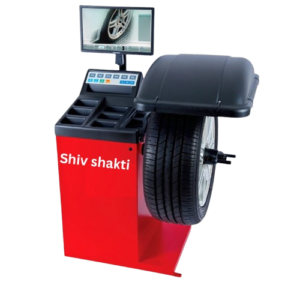
Features of a Modern Wheel Balancing Machine
Professional garages rely on advanced balancing equipment for speed and precision.
Key features include:
Automatic Data Entry
Reduces manual input errors.
Laser Weight Positioning
Ensures precise placement of balancing weights.
Digital Display
Provides clear balancing instructions for technicians.
Self-Calibration
Maintains consistent accuracy over time.
Multiple Balancing Modes
Supports:
- Steel wheels
- Alloy wheels
- SUV wheels
- Commercial vehicle wheels
- Motorcycle wheels
Fast Balancing Cycle
Improves workshop productivity and customer satisfaction.
Why Every Professional Workshop Needs a Computerized Wheel Balancer
Customer expectations have changed dramatically.
Today’s workshops must provide:
- Accurate service
- Faster turnaround
- Professional results
- Reduced repeat complaints
- Better customer satisfaction
A computerized wheel balancing machine helps eliminate Common Balancing Problems quickly and accurately, making it an essential investment for modern garages.
Common Balancing Problems in Different Vehicle Types
Hatchbacks
Lightweight vehicles quickly show steering vibrations caused by imbalance.
Sedans
Balancing improves ride quality and highway comfort.
SUVs
Larger wheels require more accurate balancing due to increased rotational mass.
Luxury Vehicles
Premium vehicles demand highly precise balancing for maximum comfort.
Commercial Vehicles
Heavy loads increase tyre stress, making regular balancing essential for reducing operating costs.
Preventive Maintenance Tips to Avoid Common Balancing Problems
Following these simple maintenance practices can significantly reduce the chances of developing Common Balancing Problems.
Maintain Correct Tyre Pressure
Check tyre pressure at least once every month.
Rotate Tyres Regularly
Rotate tyres every 8,000–10,000 kilometres for even tread wear.
Inspect Wheels After Rough Roads
Check wheels after driving over potholes or rough surfaces.
Keep Wheels Clean
Remove mud, stones, and debris regularly.
Check Balancing Weights
Inspect wheels to ensure balancing weights remain securely attached.
Choose Professional Wheel Balancing
Always visit a trusted workshop equipped with computerized balancing machines.
Schedule Routine Maintenance
Regular inspection helps detect Common Balancing Problems before they become expensive repairs.
Cost of Fixing Common Balancing Problems
The cost of fixing Common Balancing Problems depends on several factors, including the vehicle type, wheel size, tyre condition, and the technology used by the workshop. While balancing is one of the most affordable maintenance services, ignoring Common Balancing Problems can lead to costly tyre replacements and suspension repairs.
Factors That Affect Wheel Balancing Cost
- Vehicle type (Hatchback, Sedan, SUV, Luxury Car, Commercial Vehicle)
- Wheel diameter
- Alloy or steel wheels
- Number of wheels to be balanced
- Tyre condition
- Workshop location
- Type of computerized balancing machine
Regular balancing is a small investment that helps prevent much larger repair expenses.
Why Professional Wheel Balancing Is Better Than DIY
Some vehicle owners try to fix Common Balancing Problems themselves, but professional balancing offers unmatched accuracy.
Benefits of Professional Wheel Balancing
- Computerized precision
- Accurate weight placement
- Faster service
- Improved vehicle safety
- Longer tyre life
- Better fuel efficiency
- Smooth steering performance
- Reliable long-term results
Professional technicians also inspect the tyres, rims, bearings, and suspension while correcting Common Balancing Problems, ensuring that no hidden issue is overlooked.
Common Myths About Common Balancing Problems
Many misconceptions prevent vehicle owners from maintaining their wheels correctly. Let’s clear up some of the most common myths.
Myth 1 – New Tyres Never Need Balancing
Reality: Every new tyre should be balanced before it is installed. Manufacturing tolerances create slight weight differences that can cause Common Balancing Problems if ignored.
Myth 2 – Wheel Alignment and Wheel Balancing Are the Same
Reality: These are different services. Alignment corrects wheel angles, while balancing corrects uneven weight distribution that causes Common Balancing Problems.
Myth 3 – Balancing Is Only Required When Vibrations Start
Reality: Preventive balancing reduces tyre wear and helps avoid Common Balancing Problems before symptoms appear.
Myth 4 – Balancing Only Improves Comfort
Reality: Correcting Common Balancing Problems also improves braking, fuel efficiency, steering response, tyre life, and overall vehicle safety.
Myth 5 – Heavy Vehicles Don’t Need Frequent Balancing
Reality: SUVs, pickups, and commercial vehicles experience greater loads, making regular balancing even more important.
Expert Tips to Prevent Common Balancing Problems
Preventing Common Balancing Problems is easier and more affordable than repairing the damage they cause. Follow these expert tips to keep your vehicle performing at its best.
Check Tyre Pressure Monthly
Incorrect tyre pressure accelerates uneven wear and contributes to Common Balancing Problems.
Rotate Tyres Regularly
Rotate tyres every 8,000–10,000 km to promote even wear and reduce the risk of Common Balancing Problems.
Avoid Potholes and Curbs
Hard impacts can bend rims, loosen balancing weights, and create Common Balancing Problems instantly.
Keep Wheels Clean
Mud, stones, and debris trapped inside the wheel can disturb weight distribution.
Inspect Balancing Weights
After long trips, off-road driving, or pressure washing, check that balancing weights are still securely attached.
Replace Worn Tyres on Time
Extremely worn tyres can no longer be balanced effectively and may continue to cause Common Balancing Problems.
Visit a Professional Workshop
Use a computerized wheel balancing machine operated by trained technicians for the most accurate results.
Why Every Modern Garage Needs a Computerized Wheel Balancing Machine
As customer expectations continue to rise, professional garages must provide accurate and efficient services. Investing in modern wheel balancing equipment helps workshops eliminate Common Balancing Problems quickly and consistently.
Key Benefits for Garage Owners
Faster Service
Modern machines complete balancing quickly, allowing more vehicles to be serviced each day.
Higher Accuracy
Digital sensors detect even the smallest imbalance, ensuring precise correction of Common Balancing Problems.
Increased Customer Satisfaction
Smooth driving results encourage repeat customers and positive word-of-mouth recommendations.
Higher Revenue
Wheel balancing is a profitable service that complements tyre replacement, alignment, and suspension repairs.
Professional Workshop Image
Advanced equipment builds trust and demonstrates your commitment to quality service.
Why Choose Shiv Shakti Garage Equipments?
If you are planning to open a new workshop or upgrade your existing garage, Shiv Shakti Garage Equipments is your trusted partner for premium garage machinery across India.
Our Product Range
- Digital Wheel Balancing Machines
- 3D Wheel Alignment Machines
- Automatic Tyre Changers
- Two Post Car Lifts
- Scissor Lifts
- Hydraulic Car Washing Lifts
- Paint Booths
- Air Compressors
- Wheel Service Equipment
- Complete Workshop Setup Solutions
Why Customers Trust Us
- 18+ Years of Industry Experience
- High-Quality Garage Equipment
- Competitive Pricing
- PAN India Delivery
- Professional Installation Support
- Reliable After-Sales Service
- Genuine Spare Parts
- Expert Technical Assistance
Whether you’re setting up a tyre shop or a full-service automobile workshop, we provide dependable equipment and expert guidance to help your business grow.
Frequently Asked Questions (FAQs)
1. What are Common Balancing Problems?
Common Balancing Problems occur when the weight of the tyre and wheel assembly is unevenly distributed, causing vibrations, uneven tyre wear, poor handling, and reduced driving comfort.
2. What causes Common Balancing Problems?
The most common causes include bent wheels, missing balancing weights, uneven tyre wear, incorrect tyre installation, pothole impacts, and damaged suspension components.
3. How do I know if my wheels need balancing?
Look for signs such as steering wheel vibration, seat vibration, uneven tyre wear, road noise, or shaking at highway speeds.
4. How often should wheel balancing be performed?
Most experts recommend balancing every 8,000–10,000 km, after tyre replacement, tyre rotation, or whenever vibrations appear.
5. Can Common Balancing Problems affect fuel economy?
Yes. Unbalanced wheels increase rolling resistance, making the engine work harder and reducing fuel efficiency.
6. Can wheel balancing extend tyre life?
Absolutely. Proper balancing promotes even tread wear, helping tyres last significantly longer.
7. Can potholes create Common Balancing Problems?
Yes. Hitting potholes can bend rims or knock off balancing weights, creating immediate imbalance.
8. Is wheel balancing necessary for alloy wheels?
Yes. Alloy wheels require precise balancing to ensure smooth, safe, and comfortable driving.
9. Can Common Balancing Problems damage suspension components?
Yes. Continuous vibrations place extra stress on shock absorbers, bushings, wheel bearings, and steering components.
10. How long does wheel balancing take?
Balancing all four wheels typically takes 30–60 minutes, depending on the condition of the tyres and wheels.
11. What is dynamic wheel balancing?
Dynamic balancing corrects both vertical and lateral imbalance, making it ideal for modern passenger vehicles.
12. Should wheels be balanced after tyre rotation?
Yes. Balancing after tyre rotation helps maintain even wear and prevents future Common Balancing Problems.
13. Can Common Balancing Problems affect braking?
Yes. Uneven tyre contact with the road can reduce braking stability and increase stopping distances.
14. What equipment is used to solve Common Balancing Problems?
Professional workshops use computerized digital wheel balancing machines for accurate and reliable results.
15. Is wheel balancing important for commercial vehicles?
Yes. Heavy-duty vehicles place greater stress on tyres, making regular balancing essential for safety and lower operating costs.
Expert Maintenance Checklist
Follow this checklist to minimize Common Balancing Problems and improve overall vehicle performance.
✔ Check tyre pressure every month.
✔ Rotate tyres every 8,000–10,000 km.
✔ Balance wheels after installing new tyres.
✔ Inspect tyres for uneven tread wear.
✔ Avoid hitting potholes and curbs.
✔ Keep wheels clean and free from mud.
✔ Replace damaged tyres promptly.
✔ Inspect balancing weights regularly.
✔ Schedule routine balancing during vehicle servicing.
✔ Visit a trusted workshop using computerized balancing equipment.
Final Conclusion
Ignoring Common Balancing Problems can affect far more than your driving comfort. Over time, wheel imbalance can shorten tyre life, reduce fuel efficiency, increase suspension wear, and compromise vehicle safety. Fortunately, these issues are easy to prevent with regular inspection and professional wheel balancing.
Whether you are a daily commuter, fleet operator, or workshop owner, understanding Common Balancing Problems helps you make better maintenance decisions and avoid unnecessary repair costs. Routine balancing, combined with proper tyre care and timely inspections, ensures smoother rides, longer-lasting tyres, and improved overall vehicle performance.
For garage owners, investing in a high-quality computerized wheel balancing machine not only improves service quality but also increases customer satisfaction and workshop profitability.
Call to Action
Upgrade Your Workshop with Premium Wheel Balancing Solutions
Looking for a reliable Digital Wheel Balancing Machine or planning a Complete Garage Workshop Setup?
Shiv Shakti Garage Equipments offers advanced garage machinery designed for accuracy, durability, and long-term performance.
Contact Us Today
Website: https://shivshaktigarage.com
Phone: +91-7827552107
Location: New Delhi, India
Service Area: PAN India
Get expert guidance, competitive pricing, professional installation, and dependable after-sales support for all your garage equipment needs.
SEO Meta Title
Common Balancing Problems: Causes, Symptoms, Solutions & Expert Guide (2026)
Length: 68 Characters
SEO Meta Description
Learn about Common Balancing Problems, their causes, warning signs, solutions, maintenance tips, and professional balancing methods to improve tyre life, vehicle safety, and driving comfort.
Length: 157 Characters
Focus Keyword
Common Balancing Problems
SEO URL Slug
common-balancing-problems
Suggested Image ALT Tags
- Common Balancing Problems
- Digital Wheel Balancing Machine
- Wheel Balancing Service
- Computerized Wheel Balancer
- Tyre Balancing Equipment
- Alloy Wheel Balancing
- Car Wheel Balancing Process
- Wheel Balancing Machine India
- Professional Garage Equipment
- Vehicle Wheel Balancing
Internal Linking Suggestions
Link this blog to related pages on your website:
- Digital Wheel Balancing Machine
- 3D Wheel Alignment Machine
- Tyre Changer Machine
- Two Post Car Lift
- Car Washing Lift
- Scissor Lift
- Complete Workshop Setup
- Garage Equipment Manufacturer in India
- Wheel Alignment Machine Price
- Wheel Balancer Maintenance Guide
External Linking Suggestions
Improve authority by linking to trusted sources such as:
- Vehicle manufacturer maintenance guides
- Reputed tyre manufacturer maintenance resources
- Government road safety organizations
- Automotive maintenance standards and safety publications
SEO Tags
Common Balancing Problems, Wheel Balancing Problems, Wheel Balancing, Digital Wheel Balancer, Wheel Balancing Machine, Car Wheel Balancing, Tyre Balancing, Wheel Balancer India, Steering Wheel Vibration, Uneven Tyre Wear, Dynamic Wheel Balancing, Wheel Alignment vs Wheel Balancing, Garage Equipment, Automotive Workshop Equipment, Complete Workshop Setup, Tyre Service Equipment, Vehicle Maintenance, Car Garage Machinery, Shiv Shakti Garage Equipments
SEO Note: Across all three parts, the focus keyword “Common Balancing Problems” is used naturally throughout the article. For a final published version of 3,200–3,500 words, target 40–45 occurrences (approximately 1.2–1.5% keyword density) to remain within Google’s recommended natural optimization practices while avoiding keyword stuffing.