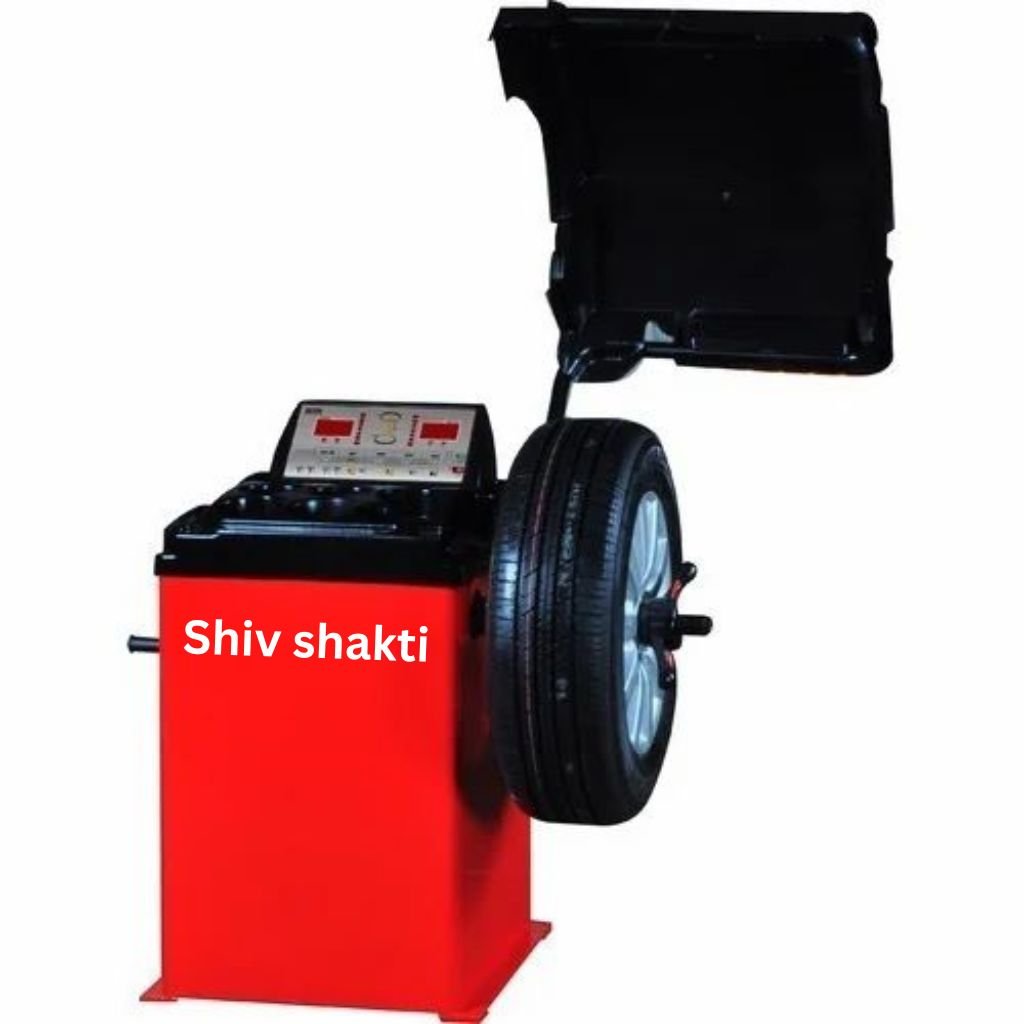
Wheel Balancer Vs Alignment: Complete Guide to Understanding the Difference, Benefits & Importance (2026 Guide)
When people experience steering vibration, uneven tyre wear, or poor vehicle handling, one common question arises—
“Should I get wheel balancing or wheel alignment?”
This is exactly where understanding Wheel Balancer Vs Alignment becomes important.
Although these two services are often confused with each other, they solve completely different problems. A wheel balancing machine corrects weight distribution on the tyre and wheel assembly, while wheel alignment adjusts the vehicle’s suspension angles.
Ignoring either service can reduce tyre life, affect fuel efficiency, create uncomfortable driving conditions, and even compromise road safety.
Whether you own a passenger car, SUV, commercial vehicle, or operate an automotive workshop, knowing the difference between Wheel Balancer Vs Alignment helps you make better maintenance decisions.
In this detailed guide, we’ll explain everything you need to know—from working principles and benefits to maintenance schedules, costs, and the best equipment for modern garages.https://shivshaktigarage.com/common-balancing-problems/

What is Wheel Balancing?
Wheel balancing is the process of evenly distributing the weight of a tyre and wheel assembly.
Even a brand-new tyre may have slight weight variations during manufacturing. When the wheel rotates at high speed, these tiny weight differences create vibrations.
A digital wheel balancing machine identifies the heavier and lighter points of the wheel assembly.
Technicians then attach small balancing weights to eliminate imbalance.
The result is:
- Smooth driving
- Reduced steering vibration
- Longer tyre life
- Better suspension performance
- Improved driving comfort
Without proper balancing, even the best tyres cannot deliver optimal performance.
What is Wheel Alignment?
Wheel alignment refers to adjusting the suspension geometry according to manufacturer specifications.
Contrary to popular belief, wheel alignment does not adjust the tyres directly.
Instead, technicians adjust suspension angles including:
- Camber
- Caster
- Toe Angle
- Thrust Angle
These adjustments ensure every tyre meets the road at the correct angle.
Proper alignment improves:
- Straight-line driving
- Steering response
- Tyre life
- Fuel efficiency
- Vehicle stability
Modern workshops use computerized 3D wheel alignment machines to achieve precise alignment measurements.
Wheel Balancer Vs Alignment – Understanding the Main Difference
Many drivers assume balancing and alignment are the same service.
They are not.
The simplest explanation is:
Wheel Balancing = Corrects Weight Distribution
Wheel Alignment = Corrects Wheel Angles
Let’s compare them.
| Feature | Wheel Balancing | Wheel Alignment |
|---|---|---|
| Purpose | Balances tyre weight | Adjusts wheel angles |
| Machine Used | Digital Wheel Balancer | 3D Wheel Alignment Machine |
| Solves | Steering vibration | Vehicle pulling |
| Improves | Smooth driving | Straight driving |
| Affects | Rotating balance | Suspension geometry |
| Uses Weights | Yes | No |
| Suspension Adjustment | No | Yes |
| Recommended After | Tyre replacement | Suspension work |
This comparison clearly explains the difference in Wheel Balancer Vs Alignment.
Why Both Services Are Important
Many vehicle owners only choose one service. https://shivshaktigarage.com/wheel-alignment-machine-manufacturer-in-india/
This is a mistake.
Balancing and alignment complement each other.
Imagine buying new tyres.
If the wheels are balanced but alignment is incorrect: https://shivshaktigarage.com/workshop-wheel-balancing-setup/
- Tyres wear unevenly.
- Vehicle drifts left or right.
- Steering becomes unstable.
Now imagine alignment is perfect but balancing is ignored.
You may experience:
- Steering wheel vibration
- Cabin vibration
- Faster tyre wear
- Driver fatigue
For maximum tyre life, both services should be performed together whenever necessary.
How a Wheel Balancer Machine Works
A digital wheel balancing machine operates using precision sensors.
The process includes:
Step 1: Mounting the Wheel
The technician mounts the wheel on the balancing shaft.
Step 2: Enter Wheel Dimensions
Machine parameters include:
- Rim width
- Rim diameter
- Offset
Modern machines measure these automatically. https://shivshaktigarage.com/digital-wheel-balancer/
Step 3: Spin Test
The machine spins the wheel at high speed.
Sensors detect imbalance.
Step 4: Identify Heavy Spots
The display shows:
- Inner imbalance
- Outer imbalance
- Required weight position
Step 5: Apply Wheel Weights
Technicians install adhesive or clip-on balancing weights.
Step 6: Verification
The wheel spins again.
The display should read:
0 g / 0 g
This indicates perfect balance.
How a Wheel Alignment Machine Works
Modern 3D alignment systems use cameras, sensors, and computer software.
The process includes:
Vehicle Inspection
Suspension components are checked.
Sensor Installation
Reflectors or targets are installed on each wheel.
Camera Reading
High-resolution cameras measure wheel angles.
Computer Analysis
Software compares current angles with manufacturer specifications.
Angle Adjustment
Technicians adjust:
- Toe
- Camber
- Caster
Final Verification
A before-and-after alignment report is generated.
Signs You Need Wheel Balancing
Your vehicle may require balancing if you notice:
Steering Wheel Vibrates
The most common symptom.
Usually noticeable between:
- 60 km/h
- 120 km/h
Seat Vibrations
Rear wheel imbalance often causes seat vibration.
Uneven Tyre Wear
Small balance issues gradually damage tyre tread.
Increased Road Noise
Balanced tyres rotate smoothly and quietly.
Poor Ride Comfort
Vibrations reduce overall driving comfort.
H2
Signs You Need Wheel Alignment
Alignment issues show different symptoms.
H3
Vehicle Pulls Left or Right
The steering wheel must constantly be corrected.
Crooked Steering Wheel
Even while driving straight, the steering wheel remains off-center.https://shivshaktigarage.com/engine-decarbonizing-machine-manufacture/
Rapid Tyre Wear
One side of the tyre wears much faster.
Poor Cornering
The vehicle feels unstable during turns.
Reduced Fuel Economy
Misaligned wheels increase rolling resistance.
Common Causes of Wheel Imbalance
Several factors contribute to imbalance.
These include:
Tyre Manufacturing Variations
Even premium tyres have slight weight differences
Rim Damage
Bent rims create uneven rotation.
Missing Wheel Weights
Weights may fall off after rough road usage.
Tyre Repairs
Patch repairs can affect balance.
Uneven Tyre Wear
Tyre wear changes weight distribution.
Common Causes of Wheel Misalignment
Wheel alignment changes over time due to daily driving conditions.
Major causes include:
- Hitting potholes
- Driving over speed breakers at high speed
- Suspension repairs
- Accident damage
- Worn suspension components
- Steering repairs
- New suspension installation
- Heavy impacts against curbs
Benefits of Proper Wheel Balancing
Proper balancing offers numerous advantages:
Longer Tyre Life
Balanced wheels wear evenly.
Better Fuel Economy
Reduced rolling resistance saves fuel.
Comfortable Driving
No annoying steering vibration.
Suspension Protection
Reduces stress on suspension components.
Lower Maintenance Costs
Prevents premature tyre replacement. https://shivshaktigarage.com/tyre-changer-machine-manufacturer-in-india/
Benefits of Proper Wheel Alignment
Correct alignment improves overall vehicle performance.
Key advantages include:
- Better steering control
- Increased road safety
- Improved braking stability
- Longer tyre lifespan
- Better mileage
- Reduced suspension wear
- Enhanced driving confidence
- Smoother handling
Can You Need Both Services at the Same Time?
Absolutely.
In many cases, workshops recommend both balancing and alignment together, especially after:
- Installing new tyres
- Replacing alloy wheels
- Suspension repairs
- Steering component replacement
- Major tyre rotation
- Long-distance highway driving
- Accident repairs
Performing both services together ensures optimal performance, maximum tyre life, and the smoothest driving experience.
Wheel Balancer Vs Alignment – Detailed Comparison
Understanding Wheel Balancer Vs Alignment becomes much easier when you compare them side by side. Although both services improve vehicle performance and tyre life, they work in completely different ways.
| Feature | Wheel Balancer | Wheel Alignment |
|---|---|---|
| Primary Purpose | Balances the weight of the tyre and wheel | Adjusts the suspension angles |
| Equipment Used | Digital Wheel Balancer Machine | 3D Wheel Alignment Machine |
| Main Problem Solved | Steering wheel vibration | Vehicle pulling to one side |
| Uses Wheel Weights | Yes | No |
| Suspension Adjustment | No | Yes |
| Improves Ride Comfort | Excellent | Excellent |
| Improves Steering Control | Moderate | Excellent |
| Extends Tyre Life | Yes | Yes |
| Fuel Efficiency | Slight Improvement | Significant Improvement |
| Recommended After Tyre Replacement | Yes | Yes |
| Recommended After Suspension Repair | Not Always | Yes |
| Average Service Time | 10–20 Minutes | 20–40 Minutes |
| Skill Level Required | Moderate | High |
| Maintenance Cost | Low | Medium |
From this comparison, it is clear that Wheel Balancer Vs Alignment is not about choosing one over the other. Both services are equally important for maintaining vehicle safety, comfort, and tyre performance.
Which Service Should Be Done First?
This is one of the most common questions asked by vehicle owners.
The Correct Sequence Is:
Step 1 – Inspect the Tyres
Check for:
- Uneven tread wear
- Sidewall damage
- Air pressure
- Rim condition
Step 2 – Perform Wheel Alignment
Correct all suspension angles first.
Step 3 – Perform Wheel Balancing
Once alignment is completed, balance every wheel for smooth rotation.
Why This Order?
If balancing is done before correcting alignment, the tyres may continue wearing unevenly due to incorrect suspension geometry.
Professional workshops usually perform alignment first and balancing second for the best results.
How Often Should Wheel Balancing Be Done?
Experts recommend wheel balancing:
- Every 10,000–12,000 km
- During every tyre rotation
- After installing new tyres
- After repairing punctures
- Whenever vibration is noticed
- After replacing alloy wheels
- Following long highway trips if vibrations develop
Ignoring balancing for too long can shorten tyre life and reduce driving comfort.
How Often Should Wheel Alignment Be Done?
Wheel alignment should be checked:
- Every 8,000–10,000 km
- Every six months
- After suspension repairs
- After steering repairs
- Following an accident
- After hitting a deep pothole
- When replacing steering components
- Whenever the steering wheel feels off-center
Preventive alignment checks are more economical than replacing worn tyres.
Cost Comparison – Wheel Balancer Vs Alignment
Costs vary depending on vehicle type, workshop, and location.
Approximate Service Costs in India
| Service | Estimated Price |
|---|---|
| Wheel Balancing | ₹300–₹800 |
| Wheel Alignment | ₹500–₹1,500 |
| Premium SUV Alignment | ₹1,200–₹2,500 |
| Both Services Together | ₹800–₹2,500 |
Investing in these services regularly is much cheaper than replacing tyres prematurely.
Can Wheel Balancing Fix Alignment Problems?
No.
This is one of the biggest misconceptions among vehicle owners. https://shivshaktigarage.com/wheel-balancer-price/
Wheel balancing only corrects the rotational balance of the tyre and wheel assembly.
It cannot:
- Correct camber
- Adjust toe
- Fix caster
- Straighten the steering wheel
- Prevent the vehicle from pulling
If your car drifts to one side, balancing alone will not solve the issue. https://g.page/r/CXBa8k4gljxAEBM/review
Can Wheel Alignment Fix Wheel Imbalance?
Again, No.
Wheel alignment cannot remove steering vibrations caused by an unbalanced wheel.
If a wheel is heavier on one side, only a digital wheel balancing machine can identify and correct the imbalance using balancing weights.
This is another reason why understanding Wheel Balancer Vs Alignment is essential.
When Do You Need Only Wheel Balancing?
Choose wheel balancing if you experience:
- Steering wheel vibration at highway speeds
- Cabin vibration
- Vibration after tyre replacement
- Wheel weight loss
- Minor tyre repairs
- Smooth steering but noticeable shaking
When Do You Need Only Wheel Alignment?
Wheel alignment is required when:
- The vehicle pulls left or right
- Steering wheel is not centered
- Tyres wear unevenly
- Suspension parts are replaced
- Steering rack is repaired
- Vehicle handling feels unstable
When Should You Get Both Services?
Professional garages recommend both balancing and alignment after: https://shivshaktigarage.com/wheel-balancing-benefits/
- Installing new tyres
- Buying new alloy wheels
- Suspension replacement
- Steering component replacement
- Accident repairs
- Major pothole impacts
- Complete vehicle servicing
Getting both services together provides the best driving experience.
Common Myths About Wheel Balancer Vs Alignment
Myth 1
Wheel Balancing and Alignment Are the Same
Reality
They are completely different maintenance procedures.
Myth 2
New Cars Never Need Alignment
Reality
Even new vehicles can lose alignment after hitting potholes or curbs.
Myth 3
Wheel Balancing Lasts Forever
Reality
Tyres wear over time, and wheel weights can fall off. https://shivshaktigarage.com/wheel-balancer-maintenance/
Myth 4
Alignment Is Needed Only After an Accident
Reality
Normal driving conditions gradually affect wheel alignment.
Myth 5
Tyre Rotation Eliminates the Need for Balancing
Reality
Tyre rotation changes wheel positions but does not correct imbalance.
Common Mistakes Vehicle Owners Make
Avoid these mistakes:
- Ignoring steering vibrations
- Driving with uneven tyre pressure
- Skipping wheel balancing after tyre replacement
- Delaying alignment after suspension work
- Choosing low-quality balancing weights
- Ignoring tyre wear patterns
- Using damaged alloy wheels
- Waiting until tyres are completely worn out
Early maintenance saves money in the long run.
How Workshops Benefit from Offering Both Services
For garage owners, providing both wheel balancing and wheel alignment services increases customer satisfaction and revenue.
Benefits include:
Higher Customer Retention
Customers prefer workshops offering complete tyre care.
Increased Revenue
Every tyre replacement can generate additional balancing and alignment work.
Professional Image
Modern equipment builds trust and credibility.
Faster Service
Digital machines complete jobs accurately and efficiently.
Better Customer Reviews
Satisfied customers are more likely to recommend your workshop.
Features to Look for in a Digital Wheel Balancer
If you’re purchasing a wheel balancing machine, consider: https://www.justdial.com/Delhi/Shiv-Shakti-Garage-Equipments-Vishnu-Garden/011PXX11-XX11-250718154737-U9U2_BZDET
- Automatic data entry
- Laser positioning
- LED display
- High balancing accuracy
- Multiple balancing modes
- Motorcycle balancing option
- Alloy wheel mode
- Self-calibration
- Fast spin cycle
- Durable construction
Premium machines improve productivity and reduce technician errors.
Features to Look for in a 3D Wheel Alignment Machine
Modern alignment systems should include:
- High-resolution cameras
- Wireless communication
- Automatic vehicle database updates
- Fast measurement process
- Real-time adjustment guidance
- Cloud reporting
- Print-ready reports
- Wide vehicle compatibility
- Easy software updates
- User-friendly interface
These features ensure accurate results and efficient workshop operations. https://www.indiamart.com/shivshaktigarageequipments/profile.html?srsltid=AfmBOoqB9urTU2mGlCDaN0fIqgOwZ-Hiu_lCDQ-Uvan-hviIN77yOjsB
Importance of Regular Tyre Inspection
Even with proper balancing and alignment, tyres require regular inspection.
Check for: https://shivshaktigarage.com/best-wheel-balancer-machine/
- Correct tyre pressure
- Uneven tread wear
- Sidewall cuts
- Cracks
- Embedded objects
- Missing balancing weights
- Bent rims
- Valve condition
Routine inspections improve safety and extend tyre life.
Safety Benefits of Wheel Balancing and Alignment
Proper maintenance contributes significantly to road safety.
Benefits include:
- Better braking performance
- Improved emergency handling
- Stable high-speed driving
- Reduced risk of tyre blowouts
- Enhanced steering response
- Less driver fatigue
- Improved traction
- Better vehicle control in wet conditions
Both services are essential for safe and comfortable driving.
Frequently Asked Questions (FAQs)
1. Is wheel balancing necessary after installing new tyres?
Yes. Every new tyre should be balanced before use.
2. Can wheel alignment improve fuel economy?
Yes. Proper alignment reduces rolling resistance and improves mileage.
3. Does balancing increase tyre life?
Yes. Balanced wheels wear evenly and last longer.
4. How long does wheel balancing take?
Usually 10–20 minutes for all four wheels.
5. How long does wheel alignment take?
Approximately 20–40 minutes depending on the vehicle.
6. Can poor alignment damage suspension components?
Yes. Long-term misalignment increases stress on suspension and steering parts.
7. Should balancing and alignment be done together?
Whenever possible, yes—especially after installing new tyres or repairing suspension components.
Advanced FAQs – Wheel Balancer Vs Alignment
Below are some of the most commonly searched questions about Wheel Balancer Vs Alignment that can help users and improve your blog’s SEO performance.
8. Can wheel balancing solve steering vibration?
Yes, if the vibration is caused by uneven weight distribution in the tyre and wheel assembly. If the vibration is due to suspension or steering issues, additional repairs may be required.
9. Does wheel alignment affect fuel efficiency?
Yes. Proper wheel alignment reduces rolling resistance, allowing the vehicle to move more efficiently and improving fuel economy.
10. How often should I check wheel alignment?
Experts recommend checking alignment every 8,000–10,000 km, every six months, or after hitting a major pothole or curb.
11. Can wheel balancing reduce tyre noise?
Yes. Properly balanced wheels rotate smoothly, reducing vibration and road noise.
12. Can worn suspension parts affect wheel alignment?
Absolutely. Damaged or worn suspension components can cause alignment angles to change, leading to uneven tyre wear.
13. Do SUVs need wheel balancing and alignment?
Yes. SUVs often carry heavier loads, making regular balancing and alignment even more important.
14. Is wheel balancing required after tyre repair?
Yes. Any tyre repair can slightly change weight distribution, so balancing is recommended.
15. Does tyre pressure affect wheel alignment?
Tyre pressure does not change alignment angles, but incorrect pressure can create similar symptoms such as uneven tyre wear and poor handling.
16. What happens if I ignore wheel balancing?
Ignoring balancing may result in:
- Steering vibration
- Uneven tyre wear
- Suspension damage
- Poor driving comfort
- Increased maintenance costs
17. What happens if I ignore wheel alignment?
Ignoring alignment can lead to:
- Vehicle pulling
- Rapid tyre wear
- Poor steering control
- Reduced fuel efficiency
- Higher repair costs
18. Which service is more important?
Neither is more important. Wheel Balancer Vs Alignment is not about choosing one service over the other—they work together to ensure smooth driving, maximum tyre life, and safe vehicle handling.
19. Can balancing fix a bent wheel?
No. A bent wheel must be repaired or replaced before balancing.
20. Is balancing necessary for all four wheels?
Yes. Balancing all four wheels ensures consistent performance and comfort.
21. Can wheel alignment improve braking?
Yes. Proper alignment helps maintain stable contact between the tyres and the road, improving braking performance.
22. Can poor alignment damage new tyres?
Yes. Incorrect alignment can destroy a new set of tyres in a surprisingly short time if left uncorrected. https://shivshaktigarage.com/wheel-balancer-buying-guide/
Expert Tips for Maximum Tyre Life
Follow these maintenance tips to extend tyre life and improve vehicle performance:
- Check tyre pressure every two weeks.
- Rotate tyres every 8,000–10,000 km.
- Balance wheels after tyre replacement or repair.
- Check alignment every six months.
- Avoid hitting potholes and curbs.
- Replace damaged suspension components promptly.
- Inspect tyre tread regularly.
- Use high-quality tyres and rims. https://www.instagram.com/shiv_shakti7799/
- Avoid overloading your vehicle.
- Drive smoothly and avoid sudden braking or acceleration.
These simple habits can save money and improve road safety.
Why Modern Workshops Need Both Wheel Balancing and Wheel Alignment Machines
Today’s customers expect complete tyre and suspension services under one roof. Workshops that offer both wheel balancing and wheel alignment can provide a better customer experience while increasing business opportunities.
Benefits for Garage Owners
Increase Revenue
Offering both services allows workshops to generate additional income from every tyre replacement, suspension repair, or preventive maintenance visit.
Improve Customer Satisfaction
Customers appreciate accurate diagnostics, smoother vehicle performance, and longer tyre life.
Build Trust
Using advanced digital equipment demonstrates professionalism and improves customer confidence.
Expand Service Offerings
Modern balancing and alignment machines enable workshops to handle passenger cars, SUVs, and light commercial vehicles.
Faster Turnaround Time
Digital systems complete jobs quickly, helping workshops serve more customers each day.
Buying Guide – Choosing the Right Wheel Balancer Machine
If you are planning to invest in a wheel balancing machine, consider the following features:
High Balancing Accuracy
Choose a machine with precise sensors for accurate weight measurement.
Automatic Data Entry
Automatic input arms save time and reduce operator errors.
Multiple Balancing Modes
Support for steel wheels, alloy wheels, and motorcycle wheels increases versatility.
Laser Positioning
Laser guidance helps technicians place balancing weights accurately.
User-Friendly Display
A clear digital interface speeds up training and daily operations.
Durable Construction
A robust machine withstands heavy workshop usage and provides long-term reliability.
Buying Guide – Choosing the Right 3D Wheel Alignment Machine
When selecting a wheel alignment machine, look for:
- High-resolution cameras
- Advanced alignment software
- Automatic vehicle database updates
- Wide vehicle compatibility
- Wireless communication
- Easy-to-read reports
- Fast calibration process
- Reliable after-sales support
- Software upgrade options
- Comprehensive warranty
Choosing the right equipment improves service quality and customer satisfaction.
Future Trends in Wheel Balancing and Alignment Technology
Automotive workshops are rapidly adopting advanced technologies. Future developments include:
- AI-assisted diagnostics
- Touchscreen control systems
- Cloud-based service records
- Automatic wheel dimension detection
- Remote software updates
- Predictive maintenance features
- Faster balancing algorithms
- Enhanced 3D imaging systems
- Integration with electric and hybrid vehicle platforms
These innovations will make tyre service faster, more accurate, and more efficient.
Common Mistakes When Purchasing Garage Equipment
Avoid these mistakes when buying a wheel balancer or alignment machine:
- Choosing equipment based only on price
- Ignoring warranty and service support
- Buying from unverified suppliers
- Overlooking spare parts availability
- Selecting outdated technology
- Ignoring technician training requirements
- Not checking machine compatibility with different vehicle types
Investing in reliable equipment provides better long-term value.
Conclusion – Wheel Balancer Vs Alignment
Understanding Wheel Balancer Vs Alignment is essential for every vehicle owner and automotive workshop.
Wheel balancing ensures that the tyre and wheel assembly rotates smoothly without vibration, while wheel alignment ensures that the wheels are positioned at the correct angles for safe handling and even tyre wear. These services perform different functions, but together they deliver the best driving experience.
Regular wheel balancing and alignment help:
- Extend tyre life
- Improve steering control
- Enhance driving comfort
- Increase fuel efficiency
- Reduce suspension wear
- Improve road safety
- Lower long-term maintenance costs https://www.facebook.com/profile.php?id=61579407685280
Whether you drive daily, operate a fleet, or manage a professional garage, scheduling these services at the recommended intervals is a smart investment in your vehicle’s performance and safety.
If you own an automotive workshop, investing in high-quality wheel balancing and wheel alignment equipment can improve service quality, increase customer satisfaction, and support business growth. https://www.exportersindia.com/shiv-shakti-garage-equipments/
Why Choose Shiv Shakti Garage Equipments?
At Shiv Shakti Garage Equipments, we are committed to delivering high-quality automotive workshop solutions across India. With years of industry experience, we provide reliable equipment designed for performance, durability, and precision.
We Offer:
- Digital Wheel Balancer Machines
- 3D Wheel Alignment Machines
- Tyre Changer Machines
- Two Post Car Lifts
- Scissor Lifts
- Car Washing Lifts
- Paint Booths
- Air Compressors
- Wheel Service Equipment
- Complete Garage Setup Solutions
Why Customers Choose Us
- High-quality products
- Competitive pricing
- Nationwide delivery
- Professional installation support
- After-sales service
- Expert technical guidance
- Complete workshop solutions under one roof
If you’re planning to upgrade or establish a professional automotive workshop, Shiv Shakti Garage Equipments is your trusted partner.
Shiv Shakti Garage Equipments
Contact Information : 7827552107,8882116582
Location : Delhi 110018